


How to reduce fever when body temperature is 38.1°C
Dec 03, 2025
Source: Cainiu Health

Dr. Ren Yi
Introduction
A body temperature of 38.1°C falls within the range of low-grade fever. It can generally be managed by cooling the body with lukewarm water wipes, adequate fluid intake, taking antipyretic medications, and adjusting the environment to improve heat dissipation. Prepare lukewarm water at 32–34°C and use a towel to wipe areas rich in blood vessels, such as the neck, armpits, and groin. As the moisture evaporates, it removes heat from the skin surface, helping to reduce body temperature. Repeat the wiping process every 15 to 20 minutes.
A body temperature of 38.1°C falls within the range of low-grade fever. It can generally be managed through methods such as cooling with lukewarm water wipes, proper hydration, taking antipyretic medications, adjusting environmental conditions for better heat dissipation, and maintaining a light diet. Specific measures are outlined below:
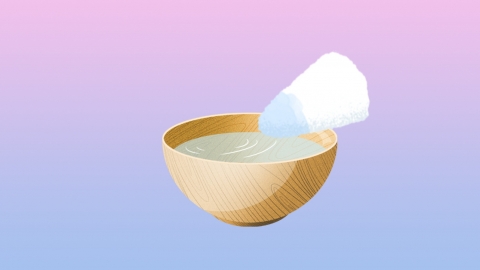
1. Cooling with lukewarm water wipes: Use a towel soaked in lukewarm water (32–34°C) to wipe areas rich in large blood vessels, such as the neck, armpits, and groin. As the water evaporates, it carries away body heat and helps lower body temperature. Repeat every 15 to 20 minutes, avoiding excessively cold water that may cause discomfort due to cold stimulation.
2. Proper hydration: Drink warm water or diluted salt water at 37–40°C, following the principle of small amounts frequently—100–150 mL every 15–20 minutes. Adequate fluid intake promotes metabolism, compensates for fluid loss due to fever, maintains electrolyte balance, and supports the body’s natural cooling process.
3. Taking antipyretic medications: If significant symptoms such as headache or fatigue accompany the fever, medications like acetaminophen (paracetamol) or ibuprofen may be used. Follow the recommended dosage instructions. These drugs help suppress excessive activation of the body's temperature regulation center and relieve discomfort. Avoid alcohol and greasy foods during medication.
4. Adjusting environmental conditions for heat dissipation: Keep the room well-ventilated and maintain a moderate temperature to prevent stuffiness. Wear loose, breathable cotton clothing and avoid overdressing, which facilitates heat release from the skin surface. At the same time, avoid direct exposure to drafts to prevent chilling.
5. Maintaining a light diet: Choose easily digestible foods such as thick rice porridge, soft noodles with broth, and steamed egg custard to provide necessary energy. Avoid fried and high-sugar foods. Finely chopped vegetables can be added to porridge or noodles, and freshly squeezed fruit juice diluted with water can be consumed to balance nutritional needs with gastrointestinal tolerance.
During fever, monitor body temperature closely and record fluctuations along with physical symptoms. Seek immediate medical attention if the temperature continues to rise or if symptoms such as confusion or difficulty breathing occur. Prioritize rest during the recovery process and avoid physical exertion to support healing.






