


How does hepatitis B lead to liver cancer?
Dec 03, 2025
Source: Cainiu Health

Dr. Gao Jun
Introduction
In general, the progression of hepatitis B to liver cancer is the result of long-term, multifactorial influences. Key contributing factors include persistent viral replication, progressive liver cirrhosis, irregular or delayed treatment, unhealthy lifestyle habits, and co-infection with other liver diseases. The development from hepatitis B to liver cancer is preventable and controllable; patients should undergo regular monitoring of hepatitis B virus DNA, liver function, and liver imaging.
Generally, the progression from hepatitis B to liver cancer is the result of long-term, multifactorial influences. The core contributing factors mainly include persistent viral replication, progressive liver cirrhosis, irregular or delayed treatment, accumulation of unhealthy lifestyle habits, and co-infection with other liver diseases. A detailed analysis is as follows:
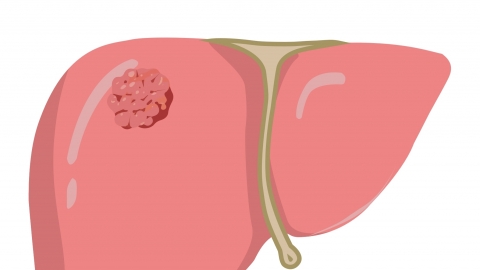
1. Persistent viral replication: When hepatitis B virus (HBV) DNA remains at a high level of replication over a long period, viral genes may integrate into the host hepatocyte genome, disrupting normal cellular proliferation control mechanisms. This leads to abnormal division of liver cells and increases the risk of malignant transformation, which is the fundamental cause of hepatitis B progressing to liver cancer.
2. Progressive liver cirrhosis: Uncontrolled chronic hepatitis B repeatedly causes liver inflammation and necrosis, triggering fibrotic processes that gradually develop into cirrhosis. In cirrhotic livers, regenerative capacity declines and abnormal cells are more likely to proliferate. Approximately 80% of liver cancer patients have an underlying background of cirrhosis.
3. Irregular or delayed treatment: Some patients fail to receive timely antiviral therapy, or discontinue medication or adjust dosages without medical guidance during treatment, leading to fluctuating disease conditions. Repeated viral reactivation worsens liver damage, causing liver cells to cycle repeatedly between repair and necrosis, thereby accelerating carcinogenesis.
4. Accumulation of unhealthy lifestyle habits: Long-term heavy alcohol consumption directly damages hepatocytes and acts synergistically with hepatitis B virus to increase the risk of liver cancer. Additionally, fatty liver disease caused by long-term high-fat diets and obesity adds metabolic stress to the liver, promoting the progression of liver disease to cancer.
5. Co-infection with other liver diseases: Hepatitis B patients who are simultaneously infected with hepatitis C, D, or E viruses experience multiple liver injuries and intensified inflammatory responses. Moreover, when accompanied by chronic conditions such as diabetes, metabolic disturbances in the body further elevate the likelihood of developing liver cancer.
The progression from hepatitis B to liver cancer is preventable and controllable. Patients should undergo regular monitoring of HBV DNA levels, liver function, and liver imaging; adhere to standardized antiviral treatment; and maintain healthy lifestyle practices such as abstaining from alcohol and eating a balanced diet. These measures can effectively reduce the risk of cancer development.


