


What to do about small red spots in the early stage of AIDS
Dec 03, 2025
Source: Cainiu Health

Dr. Liu Wenmin
Introduction
Small red spots may appear in the early stage of HIV infection. It is important to promptly undergo proper testing for diagnosis, avoid self-medication, maintain good skin care, adjust lifestyle habits, and monitor changes in symptoms. These red spots are often rashes caused by viral infection—should not be ignored, but there's no need for excessive panic. If accompanied by symptoms such as fever, fatigue, swollen lymph nodes, or if there is a history of high-risk exposure, immediate medical evaluation and testing are recommended.
HIV rash in the early stage may present as small red spots. It is important to promptly undergo proper testing for diagnosis, avoid self-medication, maintain good skin care, adjust lifestyle habits, and monitor symptom changes. These red spots are often caused by viral infection-related rashes—while they should not be ignored, excessive anxiety is unnecessary. If symptoms such as fever, fatigue, or swollen lymph nodes occur, or if there has been a history of high-risk exposure, immediate medical evaluation and testing are recommended.
1. Timely Testing and Diagnosis: Seek testing at a reputable healthcare facility for combined HIV antibody and antigen testing as soon as possible to confirm infection status and disease stage. This is the essential first step before any further management. Do not attempt to self-diagnose based solely on skin rash, as this may delay timely intervention.
2. Avoid Self-Medication: The red spots may result from the virus itself or immune system reactions. Using steroid creams or antihistamines without medical guidance may mask underlying symptoms. Treatment should only be initiated under a doctor's supervision after a confirmed diagnosis.
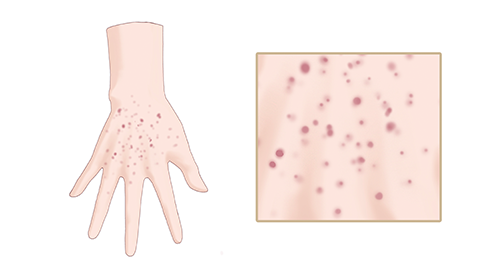
3. Proper Skin Care: Keep the skin clean and dry. Wear loose, breathable cotton clothing. Avoid scratching the affected areas to prevent skin breakdown and secondary infection. Do not use harsh soaps or shower gels on the affected skin.
4. Lifestyle Adjustments: Ensure adequate sleep and avoid staying up late or overexertion. Maintain a light, balanced diet rich in vitamins and protein to support immune function. Temporarily avoid spicy, greasy foods and alcohol, which may act as irritants.
5. Monitor Symptom Changes: Record the onset time, distribution, appearance of the red spots, and whether they are accompanied by itching, pain, or ulceration. Observe whether the rash improves or worsens, providing detailed information for clinical evaluation. Also watch for any new systemic symptoms.
In daily life, maintain personal hygiene, avoid sharing towels, clothing, or other personal items with others, minimize skin friction and external irritation, stay emotionally balanced, and combine regular作息 (daily routines) with a healthy diet to help maintain overall physical well-being.




