


What does a positive qualitative hepatitis B e antibody test mean?
Dec 03, 2025
Source: Cainiu Health

Dr. Gao Jun
Introduction
A positive qualitative result for hepatitis B e antibody generally indicates that the body has been previously infected with the hepatitis B virus or is in a specific stage of infection. The exact significance should be determined by integrating other test results and clinical findings. It is advisable to maintain regular作息 (daily routines), avoid staying up late to allow sufficient liver rest, follow a light and balanced diet, reduce intake of high-fat and high-sugar foods, and abstain from alcohol. Regular re-examinations of hepatitis B-related markers and liver function are recommended.
HBV e antibody qualitative positive usually indicates that the body has been previously infected with the hepatitis B virus or is in a specific stage of infection. Its clinical significance should be interpreted comprehensively based on other test results and clinical manifestations. The detailed analysis is as follows:
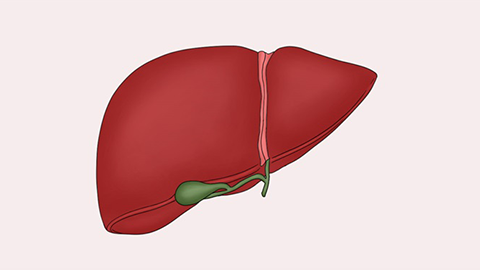
A positive HBV e antibody generally suggests suppression of hepatitis B virus replication and reduced infectivity. The hepatitis B e antibody is a specific antibody produced by the immune system in response to the viral e antigen after HBV infection. When viral replication is active, the e antigen is typically positive. As the condition improves or the virus is suppressed, the e antigen gradually disappears and the e antibody emerges, indicating decreased viral replication and possibly reduced liver inflammatory activity. However, the overall assessment of disease status still requires comprehensive evaluation together with other hepatitis B markers and viral load.
In daily life, maintain regular作息 (lifestyle), avoid staying up late to allow sufficient liver rest, eat a light and balanced diet, reduce intake of high-fat and high-sugar foods, and abstain from alcohol. Regularly retest hepatitis B-related markers and liver function to monitor changes in viral activity and liver health in a timely manner. Maintain a positive mindset, avoid excessive anxiety, and engage in moderate, gentle physical exercise to improve overall health. Pay attention to personal hygiene; do not share toothbrushes or other items that may come into contact with blood to minimize the risk of viral transmission.


