


What causes the darkening of facial complexion in hepatitis B patients?
Dec 03, 2025
Source: Cainiu Health

Dr. Gao Jun
Introduction
In general, a darkened complexion in patients with hepatitis B may be caused by excessive sun exposure, lack of sleep, active hepatitis B virus, liver cirrhosis, or adrenal cortical insufficiency. If discomfort symptoms occur, it is recommended to seek timely medical evaluation and treatment at a正规 hospital. In daily life, proper sun protection measures should be taken, sufficient sleep should be ensured, and hepatitis B treatment should be consistently followed as directed by a physician.
Generally, a dark complexion in patients with hepatitis B may be caused by excessive sun exposure, lack of sleep, active hepatitis B virus, liver cirrhosis, or adrenal cortical insufficiency. If discomfort symptoms occur, it is recommended to seek timely medical evaluation and treatment at a正规 hospital. Specific analyses are as follows:
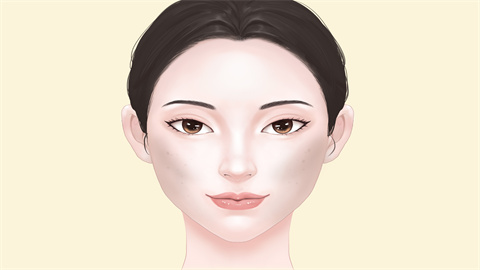
1. Excessive Sun Exposure
The skin barrier in hepatitis B patients is relatively fragile. Prolonged sun exposure increases melanocyte activity, leading to dull and darkened skin. When going outdoors, apply sunscreen, wear wide-brimmed hats for protection, avoid prolonged exposure to sunlight during midday hours, and use a gentle hydrating face mask before bedtime.
2. Sleep Deprivation
Chronic late-night habits impair the liver's detoxification function, resulting in accumulation of metabolic waste and poor circulation of blood and qi, which can cause a darkened complexion. Maintain regular sleep patterns, go to bed before 11 p.m., ensure 7–8 hours of sleep each night, avoid using electronic devices before bedtime, and drink warm milk to promote sleep.
3. Active Hepatitis B Virus
Active viral replication damages liver cells, impairs liver function, and leads to disrupted melanin metabolism, causing pigmentation in the skin. Follow medical advice to take medications such as entecavir tablets, tenofovir alafenamide fumarate tablets, or lamivudine tablets. Avoid alcohol consumption to reduce the burden on the liver.
4. Liver Cirrhosis
When hepatitis B progresses to cirrhosis, the liver’s ability to inactivate hormones declines, increasing melanocyte-stimulating hormone production and resulting in a darkened complexion. Under medical guidance, medications such as silibinin capsules, polyene phosphatidylcholine capsules, or spironolactone tablets may be used. Maintain a light, easily digestible diet and avoid hard or coarse foods.
5. Adrenal Cortical Insufficiency
Hepatitis B may affect adrenal function, reducing corticosteroid secretion and promoting melanin deposition. Under medical supervision, medications such as hydrocortisone tablets, prednisone acetate tablets, or dexamethasone tablets may be prescribed. Regularly monitor hormone levels and avoid excessive fatigue.
In daily life, proper sun protection should be practiced, and sufficient sleep ensured. Continue following the prescribed treatment plan for hepatitis B and have regular liver function check-ups. Maintain a balanced diet rich in vitamin-containing foods, and keep a positive mood while avoiding anxiety.


