


Is a virus that has entered the bloodstream untreatable?
Dec 03, 2025
Source: Cainiu Health

Dr. Li Feng
Introduction
In general, the presence of a virus in the bloodstream does not mean the infection cannot be treated. Whether a viral disease can be cured mainly depends on factors such as the type of virus, stage of infection, and the individual's immune status. Preventing viral infections requires attention to daily habits: maintaining regular作息 (daily routines) to strengthen resistance, frequently washing hands, ensuring good ventilation, and avoiding crowded places with poor air circulation.
Generally speaking, the presence of a virus in the bloodstream does not necessarily mean the condition is untreatable. Whether a viral disease can be cured mainly depends on factors such as the type of virus, stage of infection, and the individual's immune status. A detailed analysis is as follows:
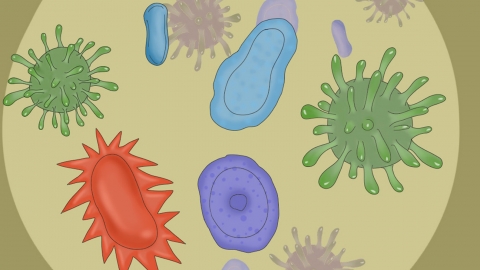
If the infection is caused by common viruses such as influenza or varicella (chickenpox) and receives timely, standardized treatment during the early stages of illness, and if the infected person has normal immune function, the body can rapidly initiate an immune response to work alongside treatment, effectively eliminating the virus. These viruses have relatively predictable replication cycles, and existing medications can specifically inhibit their proliferation. The immune system can also promptly clear infected cells, allowing most patients to achieve full recovery.
However, when the infection involves special viruses such as HIV, or has progressed to an advanced stage causing severe damage to vital organs, or occurs in individuals with severely compromised immune systems, the likelihood of a cure decreases significantly. Some viruses integrate into the host cell's genome, making complete eradication extremely difficult with current methods. In such cases, long-term treatment is required to suppress viral replication and prevent further deterioration of the condition.
Preventing viral infections requires attention to daily lifestyle habits: maintaining regular作息 (daily routines) to strengthen natural resistance, washing hands frequently, ensuring good ventilation, and avoiding crowded places with poor air circulation. During periods of high viral activity, taking personal protective measures and minimizing exposure to viruses can reduce infection risk at its source, thereby building a strong defense for overall health.



