


What is sepsis?
Nov 24, 2025
Source: Cainiu Health

Dr. Wang Lei
Introduction
In general, sepsis refers to systemic inflammatory response syndrome triggered by infection. When pathogens and their toxins enter the bloodstream, they provoke a series of complex inflammatory reactions in the body. During the recovery phase, a clean and comfortable convalescent environment should be maintained, with regular cleaning and disinfection to reduce the risk of infection. The diet should be light and easy to digest, supplemented with adequate high-quality protein and vitamins.
Sepsis generally refers to systemic inflammatory response syndrome triggered by infection. When pathogens and their toxins enter the bloodstream, they provoke a series of complex inflammatory responses in the body. A detailed analysis is as follows:
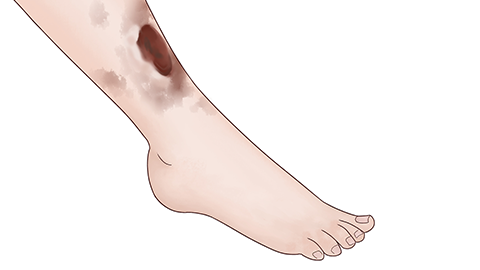
Sepsis is a life-threatening condition caused by an excessive inflammatory response of the body to infection. When pathogens such as bacteria or viruses invade the body, the immune system activates its defense mechanisms. If this response becomes uncontrolled, large amounts of inflammatory mediators are released and spread throughout the body, damaging vascular endothelium and impairing organ function. Common sites of infection include the lungs, urinary system, and abdominal cavity. Individuals with weakened immunity—such as the elderly, infants, young children, and those with chronic diseases—are more susceptible to developing sepsis due to the spread of infection.
During recovery, it is important to maintain a clean and comfortable resting environment, with regular cleaning and disinfection to reduce the risk of infection. The diet should be light and easy to digest, supplemented with adequate high-quality protein and vitamins to help strengthen physical condition. Sufficient sleep should be ensured, and overexertion avoided. Additionally, close attention should be paid to changes in body temperature and mental status. If abnormalities such as fever or altered consciousness occur, prompt medical attention is necessary to prevent disease progression.




