


Can you do cupping in winter?
Dec 08, 2025
Source: Cainiu Health

Dr. Sun Lianqing
Introduction
In general, cupping therapy can be performed during winter, but attention must be paid to warmth preservation and procedural details. Certain special populations are not suitable candidates, and the frequency should be properly controlled. Individuals with skin injuries, inflammation, or coagulation disorders may experience skin damage or bleeding if they undergo cupping in winter. Cupping on an empty stomach or when excessively fatigued may also lead to physical discomfort. In daily life, it is important to dress warmly promptly after receiving cupping therapy in winter.
Generally speaking, cupping can be performed in winter, but attention must be paid to warmth preservation and procedural details. Certain special populations are not suitable candidates, and the frequency should be properly controlled. The specific analysis is as follows:
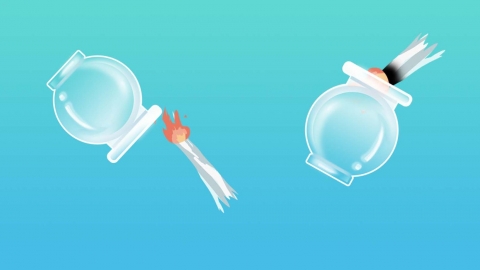
Cupping therapy helps promote circulation of qi and blood through the meridians, dispel cold, and remove dampness. In winter, when the weather is cold, the body is susceptible to cold pathogens. Appropriate cupping can assist in expelling internal cold, alleviating discomfort such as joint soreness and chills caused by exposure to cold. From a therapeutic standpoint, cupping and winter conditions typically do not produce adverse effects. However, if proper warmth is not maintained during cupping, exposed skin may become chilled, worsening discomfort. Individuals with weak constitutions who undergo frequent cupping may experience depletion of qi and blood, leading to dizziness or fatigue. Therefore, adequate warming measures and controlled treatment frequency are essential.
Individuals with skin injuries, inflammation, or coagulation disorders should avoid cupping in winter, as it may lead to skin damage or bleeding. Cupping when fasting or excessively fatigued may also trigger physical discomfort. In daily life, after receiving cupping in winter, one should promptly dress warmly and avoid bathing immediately. Developing good health-regulating habits contributes significantly to overall well-being.





