


Can you still eat mutton if it has gone sour?
Dec 08, 2025
Source: Cainiu Health

Dr. Huang Yuhong
Introduction
In general, it is not recommended to consume sour lamb, as the sour smell usually indicates spoilage, and eating it may cause discomfort; such meat should be discarded immediately. When purchasing, choose fresh lamb and carefully check for any signs of spoilage—such as unpleasant odors or sliminess—before cooking. Developing good habits in selecting and storing ingredients can better ensure food safety.
In general, sour lamb should not be consumed, as the sour smell usually indicates spoilage. Eating it may cause discomfort and it should be discarded immediately. The detailed explanation is as follows:
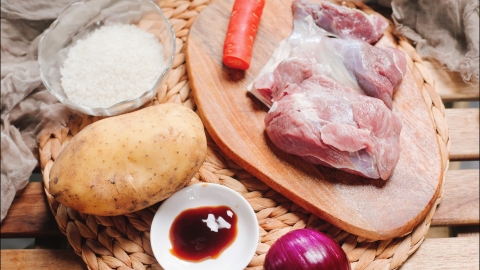
Fresh lamb is rich in high-quality protein and minerals, has a tender texture, and is free of unpleasant odors, making it suitable for various cooking methods. However, improper storage or prolonged storage time can lead to bacterial and microbial growth. These microorganisms break down nutrients in the meat and produce acidic substances, resulting in a sour smell. At this point, the lamb has lost its original nutritional value and may also exhibit signs such as stickiness and darkened color. Consuming spoiled lamb may easily lead to abdominal pain, diarrhea, and other discomforts. Therefore, if lamb develops a sour smell, it must not be eaten. When storing lamb at home, ensure it is tightly sealed and kept refrigerated or frozen to delay spoilage.
When purchasing, always choose fresh lamb and carefully check for any signs of spoilage—such as unusual odors or sliminess—before cooking. Developing good habits in selecting and storing ingredients helps better ensure food safety.




