


What are the potential side effects of long-term consumption of fermented egg?
Dec 08, 2025
Source: Cainiu Health

Dr. Huang Yuhong
Introduction
Long-term consumption of fermented glutinous rice with eggs may lead to excessive calorie intake causing weight gain, alcohol accumulation increasing liver burden, elevated cholesterol affecting blood vessels, gastrointestinal irritation leading to discomfort, and nutritional imbalance due to limited nutrient variety. Both the alcohol and eggs in this dish are high in calories; prolonged overconsumption can result in caloric intake exceeding the body's needs, with excess calories being converted into fat and gradually leading to weight gain.
Long-term consumption of fermented rice with egg may generally lead to excessive calorie intake causing weight gain, alcohol accumulation increasing liver burden, elevated cholesterol affecting blood vessels, gastrointestinal irritation leading to discomfort, and nutritional imbalance due to limited dietary variety. A detailed analysis is as follows:
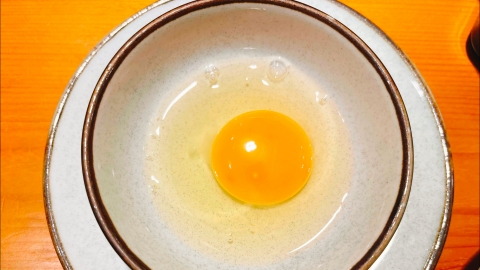
1. Weight gain: Fermented rice and eggs both contain high levels of calories. Long-term excessive consumption can result in calorie intake exceeding the body's needs. The surplus calories are converted into fat and gradually accumulate, leading to weight gain—especially evident when physical activity is lacking.
2. Increased liver burden: Fermented rice contains alcohol. Long-term intake keeps the liver continuously metabolizing alcohol, repeatedly stimulating liver cells. This may impair normal liver function and increase the risk of liver damage, thus negatively affecting liver health.
3. Impaired vascular health: Egg yolks contain cholesterol. Prolonged and excessive consumption may elevate blood cholesterol levels, potentially accelerating arterial hardening and increasing the likelihood of cardiovascular diseases, posing a threat to vascular health.
4. Gastrointestinal irritation and discomfort: Alcohol directly irritates the gastric mucosa. With long-term exposure, it may damage the protective mucosal barrier, leading to symptoms such as dull stomach pain, acid reflux, and bloating. Individuals with weak gastrointestinal function may also experience adverse reactions such as diarrhea and nausea.
5. Nutritional imbalance: Relying solely on fermented rice with egg for nutrition over a long period may result in excessive intake of proteins and fats, while essential nutrients like vitamins and dietary fiber remain insufficient. This disrupts dietary balance and hinders comprehensive nutritional support for the body.
Consumption of fermented rice with egg should be moderated in frequency and portion size to avoid long-term overconsumption. Individuals with pre-existing conditions such as liver disease, gastrointestinal disorders, or cardiovascular diseases should minimize or avoid eating this dish altogether to maintain a healthy diet.









