


Can avascular necrosis of the femoral head heal on its own?
Dec 08, 2025
Source: Cainiu Health

Dr. Chen Jian
Introduction
In general, whether avascular necrosis of the femoral head can heal spontaneously depends on a comprehensive assessment of the severity of the condition, the patient's age, and the type of necrosis. It is important to avoid strenuous exercise and prolonged weight-bearing in daily life, choose soft and comfortable footwear, and maintain proper posture while standing and sitting. Controlling body weight helps reduce joint stress. Regular follow-up examinations are necessary to monitor disease progression, and medical attention should be sought promptly if discomfort occurs.
In general, whether avascular necrosis of the femoral head can heal spontaneously depends on a comprehensive assessment of the severity of the condition, the patient's age, and the type of necrosis. The specific analysis is as follows:
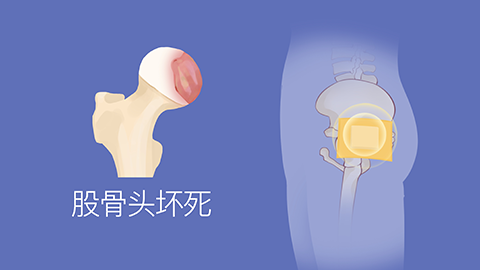
If the necrosis is in the early stage, with only minor subchondral lesions in the femoral head, and the patient is relatively young with strong physical repair capacity, there may be a possibility of spontaneous healing through strict rest and protection. In such cases, weight-bearing should be avoided and physical activity reduced to allow the femoral head sufficient rest, enabling the body’s natural repair mechanisms to gradually stabilize or even restore the affected area.
However, if the necrosis has progressed to the intermediate or late stages, with collapse or deformation of the femoral head, or if the patient is older and has poor regenerative capacity, spontaneous healing is unlikely. At this point, the damage exceeds the body’s self-repair capability, and without timely intervention, pain and functional impairment will worsen, necessitating professional treatment to control disease progression.
In daily life, patients should avoid strenuous exercise and prolonged weight-bearing activities, choose soft and comfortable footwear, and maintain proper posture while standing and sitting. Weight management is important to reduce joint stress. Regular follow-up examinations are recommended to monitor disease progression, and medical attention should be sought promptly if symptoms arise.


