


Can traditional Chinese medicine treat severe hydronephrosis?
Dec 09, 2025
Source: Cainiu Health

Dr. Sun Lianqing
Introduction
In general, traditional Chinese medicine (TCM) can assist in treating severe hydronephrosis by alleviating discomfort symptoms, but it is difficult to achieve a complete cure with TCM alone. It is essential to combine Western medical approaches to address the underlying cause. Daily care should emphasize a light diet, reducing intake of high-salt and high-purine foods to avoid increasing the kidney's workload. Ensure adequate rest, avoid physical overexertion, and regularly monitor the condition. Integrating the strengths of both traditional Chinese and Western medicine is more beneficial for stabilizing the disease and promoting recovery.
Generally, traditional Chinese medicine (TCM) can assist in treating severe hydronephrosis by alleviating discomfort symptoms; however, it is difficult to achieve a complete cure with TCM alone. It is essential to combine TCM with Western medical treatments to address the underlying cause. The detailed analysis is as follows:
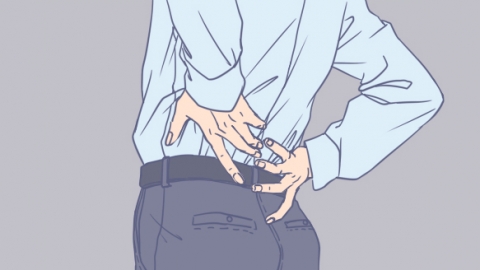
Severe hydronephrosis is mostly caused by organic issues such as urinary tract obstruction. TCM treatment follows principles of promoting diuresis, removing dampness, activating blood circulation, resolving stasis, strengthening the spleen, and benefiting the kidneys. This approach can help relieve symptoms like edema and back pain, regulate bodily functions, reduce the burden on the kidneys, and create favorable conditions for further treatment. However, relying solely on TCM cannot quickly resolve the core issue—urinary tract obstruction—and prolonged delay may worsen kidney damage. Therefore, priority should be given to Western medical interventions to relieve the obstruction, followed by adjunctive TCM regulation, to more effectively control the condition and prevent treatment delays.
In daily care, it is important to maintain a light diet, reduce intake of high-salt and high-purine foods, and avoid overburdening the kidneys. Ensure adequate rest, avoid fatigue, and regularly monitor the condition. Integrating the strengths of both traditional Chinese and Western medicine is more conducive to stabilizing the disease and promoting recovery.



