


Can you eat yellow chives if they have gone bad?
Dec 09, 2025
Source: Cainiu Health

Dr. Huang Yuhong
Introduction
In general, it is not recommended to eat spoiled yellow chives. When purchasing, choose those with bright color, firm texture, and no unpleasant odor; avoid ones that are yellowed, wilted, or show signs of rotting. After bringing them home, wrap them in a damp kitchen paper towel, seal them in a plastic storage bag, and store in the refrigerator to extend freshness.
Generally, it is not recommended to eat spoiled yellow chives. Here's a detailed explanation:
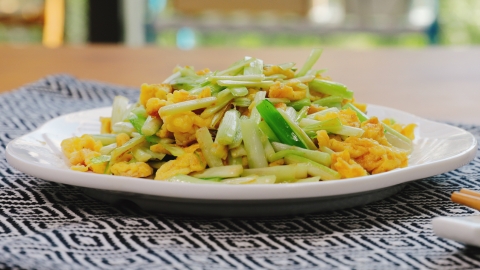
Once yellow chives have spoiled, they can harbor large amounts of bacteria and mold. These microorganisms break down the nutrients in the chives and produce toxins harmful to the body. Even if the rotten portions are removed, toxins may have already spread into parts that appear normal. Consuming such chives may easily cause gastrointestinal discomfort symptoms such as nausea, vomiting, abdominal pain, and diarrhea. In severe cases, it could lead to food poisoning and harm your health. Therefore, it is not advisable to eat them.
When purchasing yellow chives, choose ones with bright color, firm texture, and no unpleasant odor; avoid those that are yellowed, wilted, or show signs of rotting. After bringing them home, wrap them in a damp kitchen paper towel, seal them in a plastic storage bag, and refrigerate to extend freshness. They should not be stored for too long and are best consumed within 2–3 days. Carefully inspect the chives before cooking; if you detect any off odors, softness, decay, or mold, discard them immediately—do not risk eating them to save a small amount.






