


Can you eat chives after cataract surgery?
Nov 18, 2025
Source: Cainiu Health

Dr. Huang Yuhong
Introduction
It is not recommended to eat Chinese chives shortly after cataract surgery. During the first 1–2 weeks post-surgery, the eye is in a healing phase, and the pungent, irritating properties of Chinese chives may interfere with wound healing. In the later stages of recovery, small amounts may be cautiously tried, but one should monitor for any adverse reactions. If symptoms such as eye redness, swelling, pain, or vision abnormalities occur after consumption, medical attention should be sought promptly. Chinese chives contain volatile oils and other spicy components.
It is not recommended to eat Chinese chives shortly after cataract surgery. During the first 1–2 weeks following surgery, the eye is in a healing phase, and the pungent, irritating properties of chives may interfere with wound healing. In the later stages of recovery, small amounts may be cautiously tried, but any bodily reactions should be closely monitored. If symptoms such as eye redness, swelling, pain, or vision abnormalities occur after consumption, prompt medical attention is advised.
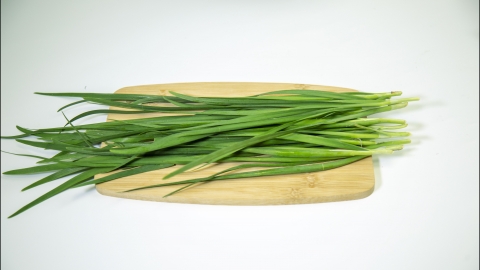
Chinese chives contain pungent components such as volatile oils. After surgery, ocular wounds are delicate, and these substances may irritate the eye's mucous membranes, causing congestion and dryness. They may also affect overall metabolism, indirectly disrupting the repair process of ocular tissues and increasing the risk of discomfort.
From a digestive perspective, chives are rich in coarse fiber. After surgery, the body needs to concentrate energy on repairing the eye, and excessive consumption may increase gastrointestinal burden, leading to bloating or diarrhea, which is unfavorable for overall recovery. If consumed during the later recovery stage, chives should be thoroughly cooked until soft, taken in small quantities, and never eaten raw or in excess.
Diet after surgery should be light and easy to digest. It is advisable to consume more fruits and vegetables rich in vitamins and high-quality protein, while avoiding spicy and irritating foods. Preferred cooking methods include steaming, boiling, and stewing to minimize bodily irritation. Maintaining regular and balanced meals supports the healing of ocular wounds and overall recovery.





