Is it good for middle school students to eat one goose egg every day?
Dec 09, 2025
Source: Cainiu Health

Dr. Huang Yuhong
Introduction
In general, whether it is suitable for a middle school student to eat one goose egg per day should be determined based on their physical condition and dietary habits. If there are specific health concerns, it is advisable to consult a doctor or a nutritionist. When purchasing goose eggs, choose fresh ones and ensure they are thoroughly cooked—never consume them raw. Adjust the frequency of consumption according to overall dietary patterns; if other types of eggs are consumed on the same day, the intake of goose eggs should be appropriately reduced.
Generally speaking, whether it is beneficial for a middle school student to eat one goose egg per day depends on their physical condition and dietary habits. If there are specific health concerns, it is advisable to consult a doctor or nutritionist. The detailed analysis is as follows:
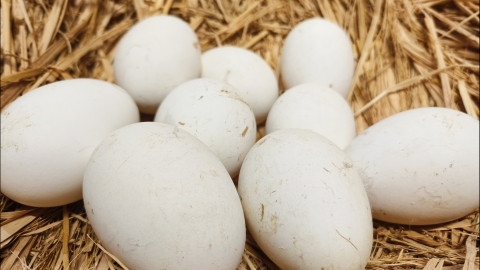
If the middle school student is in good health, maintains a balanced diet, and has no digestive issues, consuming one goose egg daily can be beneficial. Goose eggs are rich in high-quality protein, lecithin, and essential minerals such as calcium and iron, which provide ample nutrition to support growth and development, particularly bone and brain development. When consumed together with vegetables, grains, and other foods, they contribute to more comprehensive nutrient intake and are especially suitable for students with high physical activity levels or good appetites, helping to replenish energy and nutrients.
However, if the student has weak digestive function or already consumes a large amount of high-protein foods in their daily diet, eating one goose egg per day may increase the burden on the gastrointestinal system, potentially causing discomfort such as bloating or food stagnation. Given that goose eggs are relatively high in cholesterol, excessive consumption may pose health risks for students who are overweight or have a family history of high blood lipid levels. Students allergic to eggs should avoid goose eggs entirely to prevent allergic reactions such as rashes or diarrhea.
When purchasing goose eggs, choose fresh ones and ensure they are thoroughly cooked—never consume them raw. Adjust the frequency of consumption based on overall dietary patterns; if other types of eggs are consumed on the same day, consider reducing the intake of goose eggs to maintain nutritional balance and avoid overburdening the body.