


What should blood clams not be eaten with?
Dec 09, 2025
Source: Cainiu Health

Dr. Huang Yuhong
Introduction
Blood clams are generally not recommended to be consumed with cold or cooling foods, foods high in tannins, high-purine foods, greasy or richly flavored foods, or raw and cold beverages. Inappropriate combinations may easily cause gastrointestinal discomfort or increase the body's metabolic burden. If severe diarrhea, abdominal pain, or allergic reactions occur after consuming such combinations, prompt medical attention is advised. Blood clams themselves are of cold nature; when combined with watermelon
Clams should generally not be consumed together with cold-natured foods, foods high in tannins, high-purine foods, greasy or heavy-flavored foods, and raw or chilled beverages. Inappropriate combinations may easily cause gastrointestinal discomfort or increase the body's metabolic burden. If severe diarrhea, abdominal pain, or allergic reactions occur after consumption, medical attention is recommended.
1. Cold-natured foods: Clams are inherently cold in nature. When eaten together with other cold-natured foods such as watermelon, bitter gourd, or crab, they can intensify internal coldness, irritate the gastrointestinal mucosa, and lead to abdominal pain and diarrhea. Individuals with spleen and stomach deficiency-cold should especially avoid such combinations.
2. Foods rich in tannins: Persimmons, strong tea, hawthorn, and similar items are high in tannins. Tannins can bind with the proteins in clams to form indigestible precipitates, impairing nutrient absorption and potentially causing bloating and nausea.
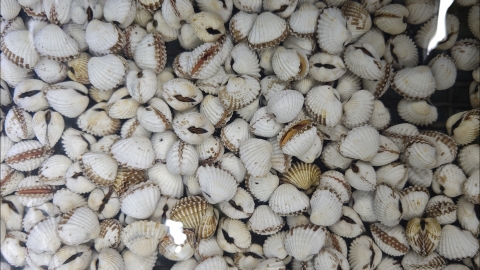
3. High-purine foods: Consuming clams together with high-purine foods such as beer, animal offal, and other shellfish increases uric acid levels in the body, raising the risk of gout attacks. Patients with hyperuricemia must strictly avoid such combinations.
4. Greasy and heavy-flavored foods: Eating clams with fatty meats, fried foods, or barbecued items increases the digestive burden on the gastrointestinal tract. The light, nutritious qualities of clams become harder to absorb, and indigestion or loss of appetite may result.
5. Raw and cold beverages: Iced water, chilled drinks, and ice cream can cause constriction of gastrointestinal blood vessels. Combined with the clam’s naturally cold property, this may disrupt normal intestinal motility and easily lead to discomforts such as diarrhea and vomiting.
When consuming clams, choose live, fresh specimens and cook them thoroughly. Pair them with warming ingredients such as ginger or perilla leaves to counteract their cold nature, control portion sizes to prevent overconsumption, maintain a light and balanced diet, and engage in light activity after meals to aid digestion and reduce the risk of adverse effects.



