


What happens if you eat too many blood clams?
Dec 10, 2025
Source: Cainiu Health

Dr. Huang Yuhong
Introduction
In general, consuming too many blood clams may lead to gastrointestinal discomfort, increased risk of infection, gout attacks, worsening of allergic symptoms, and nutritional imbalances. When eating blood clams, it is important to be aware of contraindications and precautions—ensure they are thoroughly cooked, control portion sizes, and consume them in moderation according to individual constitution, to ensure the safety and rationality of your diet.
Generally, consuming too many blood clams may lead to gastrointestinal discomfort, increased risk of infection, gout attacks, worsened allergic reactions, and nutritional imbalances. A detailed analysis is as follows:
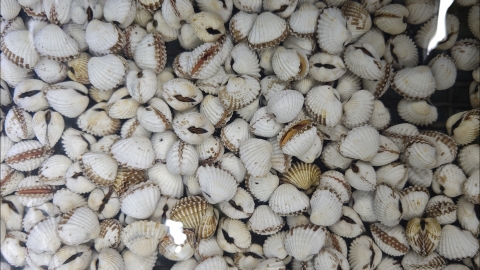
1. Gastrointestinal discomfort: Blood clams are considered "cold" in nature and contain high levels of protein. Excessive consumption increases the digestive burden on the stomach and intestines and may irritate the gastrointestinal mucosa, leading to symptoms such as bloating, abdominal pain, diarrhea, nausea, and vomiting—especially in individuals with weak spleen and stomach function.
2. Increased infection risk: Blood clams live in shallow sandy seabeds and may carry pathogens such as bacteria and parasites. If not thoroughly cooked, eating them in large amounts raises the likelihood of foodborne infections, potentially causing symptoms like fever, vomiting, and diarrhea.
3. Triggering gout attacks: Blood clams are high-purine foods. Overconsumption can sharply elevate uric acid levels in the body. For individuals with impaired uric acid metabolism or those suffering from gout, this may easily trigger an acute gout attack, resulting in joint redness, swelling, pain, and restricted movement.
4. Worsened allergic symptoms: Some people are inherently allergic to blood clams. While small amounts might cause mild or no noticeable reaction, excessive intake can intensify allergic responses, possibly leading to severe symptoms such as skin itching, rashes, difficulty breathing, and laryngeal edema.
5. Nutritional imbalance: Long-term overconsumption of blood clams may reduce the intake of other foods, leading to a monotonous diet. Although nutritious, blood clams do not provide all essential nutrients required by the human body, which could result in deficiencies or imbalances in vitamins and minerals.
When consuming blood clams, it's important to observe related contraindications and precautions—ensure they are thoroughly cooked, control portion sizes, and eat according to individual constitution to maintain dietary safety and balance.



