


What seafood is suitable to eat in winter?
Dec 09, 2025
Source: Cainiu Health

Dr. Huang Yuhong
Introduction
Seafood suitable for consumption during winter includes sea cucumber, hairtail, scallops, sea bass, oysters, and others. These seafood items are tender and flavorful, nutritionally rich in high-quality protein, unsaturated fatty acids, and various minerals, effectively supplying nutrients the body needs in winter. If symptoms such as vomiting, diarrhea, skin itching, or difficulty breathing occur after eating, seek medical attention promptly.
Seafood suitable for consumption in winter includes sea cucumber, hairtail fish, scallops, sea bass, and oysters. These seafood items are plump and rich in nutrients, containing high-quality protein, unsaturated fatty acids, and various minerals, effectively supplying the nutrition the body needs during winter. If symptoms such as vomiting, diarrhea, skin itching, or difficulty breathing occur after eating, seek medical attention promptly.
1. Sea cucumber: Rich in collagen and polysaccharides, it is low in fat and cholesterol, easy to digest, and gentle on the gastrointestinal tract. It helps improve metabolism and slow tissue aging, making it suitable for people with cardiovascular diseases or weak constitutions to consume in moderation.
2. Hairtail fish: High in Omega-3 fatty acids and B vitamins, it has a moderate fat content in winter, allowing for better nutrient absorption. It helps regulate blood lipids, protect cardiovascular health, and support nervous system function, making it suitable for regular consumption by most people.
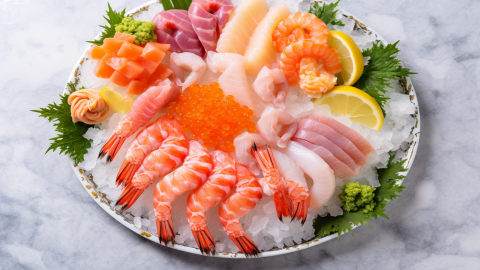
3. Scallops: Rich in high-quality protein and selenium, with a balanced calcium-to-phosphorus ratio, they enhance immune cell activity, reduce oxidative damage, and promote bone health. They are also low in calories, making them suitable for those managing their weight.
4. Sea bass: With tender flesh, it contains high-quality protein and various essential amino acids that quickly replenish energy and support tissue repair. Its unsaturated fatty acids help regulate blood pressure, making it an ideal food choice for children, the elderly, and individuals with weak health.
5. Oysters: Exceptionally rich in zinc and high-quality protein, they also contain multiple vitamins that promote growth and development, improve reproductive system function, compensate for vitamin deficiencies caused by reduced intake of fruits and vegetables in winter, and strengthen the body's immunity.
When consuming seafood in winter, choose fresh and live products and ensure they are thoroughly cooked. Avoid raw or undercooked seafood. Pair with warming ingredients such as ginger or perilla leaves to counteract the cooling nature of seafood. Individuals with sensitive digestive systems should limit their intake, drink warm water afterward, and avoid consuming cold or raw foods immediately after eating seafood.




