


What does asymptomatic COVID-19 infection mean?
Dec 09, 2025
Source: Cainiu Health

Dr. Ren Yi
Introduction
In this type of infection, the virus has replicated within the body but has not caused noticeable clinical symptoms. The infected individual feels no discomfort and daily activities are unaffected; infection can only be detected through testing. Asymptomatic infection may last for a period of time, and some infected individuals never develop symptoms until the virus is cleared by the immune system.
Generally, asymptomatic infection of COVID-19 refers to testing positive for the virus via nucleic acid or antigen tests without experiencing obvious symptoms such as fever or cough. If any abnormalities occur, it is recommended to promptly carry out health monitoring. The detailed analysis is as follows:
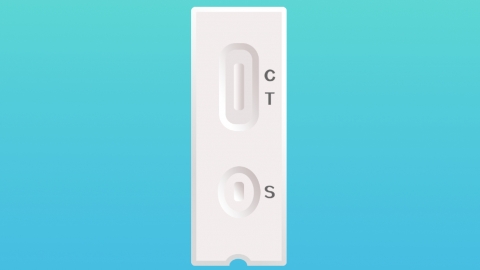
In this state of infection, the virus has already replicated within the body but has not triggered noticeable clinical symptoms. Infected individuals do not feel unwell and their daily activities remain unaffected; the infection can only be detected through testing. Asymptomatic infection may last for a period of time, and some infected individuals never develop symptoms until the virus is cleared by the immune system.
However, asymptomatic individuals are still contagious and may transmit the virus through respiratory droplets, close contact, and other routes. A small number of infected individuals may later develop symptoms and progress to mild or moderate cases. Individuals with weaker immune systems should be particularly cautious about disease progression and avoid delayed observation.
It is important to maintain personal protection and health monitoring, and avoid going to crowded places. After testing positive, isolate at home promptly to reduce transmission risk. During isolation, monitor bodily changes closely and seek timely symptomatic treatment if symptoms appear.





