


Will having a cold affect the results of a COVID-19 nucleic acid test?
Dec 10, 2025
Source: Cainiu Health

Dr. Ren Yi
Introduction
A cold generally does not directly affect the results of a nucleic acid test for COVID-19. However, since the body is relatively weak during a cold, it's important to stay warm before and after testing to avoid worsening symptoms due to exposure to cold. Avoid smoking, drinking alcohol, or chewing gum within half an hour before the test to minimize irritation to the throat. During sample collection, cooperate with healthcare personnel by tilting your head backward and try to stay relaxed to reduce discomfort.
Cold usually does not directly affect the results of nucleic acid testing for COVID-19. The detailed explanation is as follows:
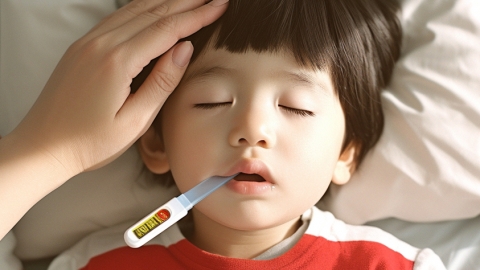
The common cold is mostly caused by viruses such as influenza virus or rhinovirus, while nucleic acid testing for COVID-19 specifically targets unique gene sequences of the SARS-CoV-2 virus. These are entirely different types of viruses, and the test principle is highly specific. Cold-causing viruses do not cross-react with reagents used in the COVID-19 nucleic acid test, nor do they interfere with the gene amplification process during testing. Therefore, even if symptoms such as fever or cough appear due to a cold, they will not lead to false-positive or false-negative results in the COVID-19 nucleic acid test. There is no need to postpone testing because of a cold.
During a cold, your body may be weaker, so it's important to stay warm before and after the test to avoid worsening symptoms from exposure to cold. Avoid smoking, drinking alcohol, or chewing gum within 30 minutes before the test to minimize irritation to the throat. During sample collection, cooperate with healthcare staff by tilting your head back slightly and try to relax to reduce discomfort. After the test, drink plenty of warm water, ensure adequate rest, maintain a light and easily digestible diet, and avoid spicy or irritating foods. If the test result is negative but cold symptoms continue to worsen, seek medical attention promptly for appropriate treatment and avoid self-medicating unnecessarily.




