Can expired medicinal liquor still be consumed?
Dec 10, 2025
Source: Cainiu Health

Dr. Sun Lianqing
Introduction
It is generally not recommended to consume medicinal liquor after its expiration date. When purchasing or making medicinal liquor at home, clearly label the production date and shelf life, and prioritize small-sized packaging to ensure quick consumption. Store in a sealed glass container with a tight-fitting lid, placed in a cool, dark location, avoiding high temperature and humid environments. Regularly check the condition of the medicinal liquor; if cloudiness occurs, do not consume.
It is generally not recommended to consume medicinal liquor after its expiration date. The specific reasons are as follows:
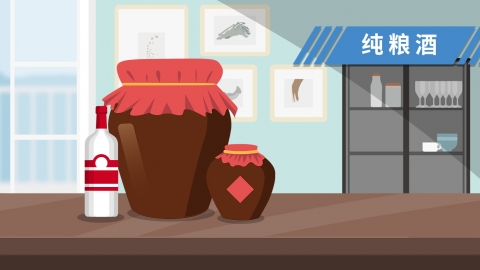
After expiration, the active ingredients in the herbs used in medicinal liquor gradually break down and degrade over time, losing their original therapeutic effects. Although alcohol has antibacterial properties, long-term storage may lead to the growth of alcohol-tolerant bacteria or molds, especially if the seal is compromised. This can result in the formation of rancid substances or toxins. Once ingested, these harmful substances may irritate the gastrointestinal tract, causing nausea and diarrhea, and in severe cases, may even damage the liver and kidneys. Even if there is no obvious cloudiness or foul odor, the internal components may have already deteriorated, posing health risks if consumed without caution.
When purchasing or making medicinal liquor at home, clearly label the production date and shelf life, and opt for smaller packages to ensure prompt consumption. Store the liquor in glass containers with tight-sealing lids, kept in a cool, dark place away from heat and humidity. Regularly inspect the condition of the liquor; if cloudiness, sediment, or a sour smell develops—even before the expiration date—it should be discarded. Expired medicinal liquor must not be consumed and should be disposed of properly as waste, never poured out carelessly to avoid environmental contamination.