


Can chicken bone grass turn hepatitis B negative?
Dec 10, 2025
Source: Cainiu Health

Dr. Sun Lianqing
Introduction
Chicken bone grass (Herba Abri) is a traditional Chinese herbal medicine known for its effects of promoting dampness elimination, relieving jaundice, clearing heat, detoxifying, and soothing the liver to alleviate pain. According to Traditional Chinese Medicine (TCM) theory, it is commonly used as an adjunct to improve symptoms associated with hepatitis B, such as discomfort in the liver region, fatigue, and jaundice. It can help reduce damp-heat stagnation in the liver to some extent, thereby creating a relatively favorable environment for liver metabolism. However, it is not a direct antiviral agent that kills or suppresses the hepatitis B virus.
Under normal circumstances, chicken bone grass cannot turn hepatitis B negative; it may only assist in alleviating related symptoms and should not replace standard medical treatment. If there are any concerns, it is recommended to consult a healthcare professional promptly. The detailed explanation is as follows:
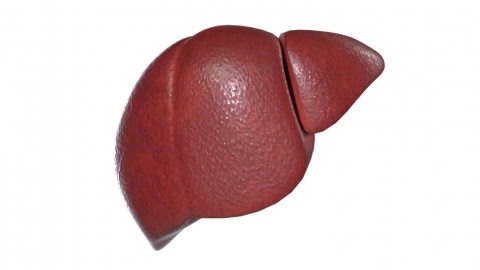
Chicken bone grass is a traditional Chinese herbal medicine known for its effects of promoting diuresis, reducing jaundice, clearing heat, detoxifying, and relieving liver-related pain. In traditional Chinese medicine theory, it is commonly used as an adjunct to improve symptoms associated with hepatitis B, such as discomfort in the liver area, fatigue, and jaundice. It can help alleviate damp-heat stagnation in the liver to some extent, thereby creating a relatively favorable environment for liver metabolism. However, it is not a drug that directly kills or suppresses the hepatitis B virus.
The key to achieving a negative conversion in hepatitis B lies in eliminating or suppressing viral replication, which requires standardized antiviral therapy. Chicken bone grass lacks effective components that directly target the hepatitis B virus, so it cannot fundamentally alter the state of viral infection nor replace the essential role of antiviral medications. Blindly relying on chicken bone grass while abandoning standard treatment may lead to continuous viral replication, worsening liver damage, and even serious complications such as cirrhosis and liver cancer.
Patients with hepatitis B should follow professional medical guidance, undergo standardized antiviral treatment, and regularly monitor liver function and viral load. While chicken bone grass may be used as an adjunctive therapy under a doctor's supervision, patients must not self-administer it or discontinue prescribed medications without consultation, to avoid delaying proper treatment.



