


What are some appetite-stimulating teas?
Dec 10, 2025
Source: Cainiu Health

Dr. Sun Lianqing
Introduction
Generally, digestive teas are common beverages used to relieve poor appetite. Common types include aged tangerine peel and hawthorn tea, lemon honey tea, malt and Shenqu tea, mint licorice tea, and smoked plum with tangerine peel tea. When drinking digestive tea, one should choose according to individual constitution, avoid consuming overly strong tea on an empty stomach, and drink in moderation to better achieve the desired appetizing effect, meeting everyday dietary regulation needs.
Generally, digestive teas are common beverages used to relieve loss of appetite. The most commonly consumed types include aged tangerine peel and hawthorn tea, lemon honey tea, malt and Shenqu tea, mint licorice tea, and smoked plum with tangerine peel tea. A detailed analysis is as follows:
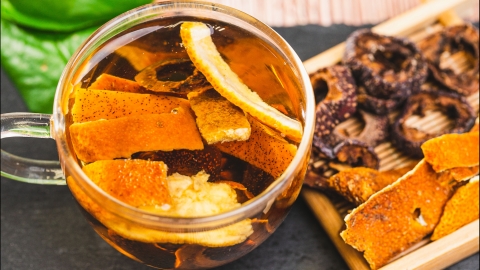
1. Aged Tangerine Peel and Hawthorn Tea: Aged tangerine peel helps regulate qi, strengthen the spleen, dry dampness, and resolve phlegm, while hawthorn promotes digestion, eliminates food stagnation, activates blood circulation, and removes blood stasis. When combined and steeped together, this tea offers a sweet-and-sour taste that stimulates gastric juice secretion and relieves abdominal bloating and poor appetite caused by stagnation of spleen and stomach qi. It is especially suitable for individuals suffering from meat-based food accumulation.
2. Lemon Honey Tea: Rich in fruit acids, lemon stimulates saliva and gastric juice secretion, enhancing appetite. Honey nourishes the middle energizer, moistens dryness, and improves flavor. Refreshingly sweet and sour, this tea helps improve poor appetite and also alleviates irritability caused by summer heat.
3. Malt and Shenqu Tea: Malt excels at promoting digestion, harmonizing the stomach, reducing milk production, and relieving bloating; Shenqu aids digestion, eliminates food stagnation, strengthens the spleen, and harmonizes the stomach. Both are commonly used herbal ingredients for indigestion. When brewed together, they effectively relieve symptoms such as food retention, abdominal fullness, acid regurgitation, and foul belching.
4. Mint Licorice Tea: Mint dispels wind-heat, clears the head and eyes, and soothes liver qi stagnation, while licorice tonifies qi, strengthens the spleen, clears heat, and detoxifies. This tea has a pleasant, refreshing aroma and helps relieve poor appetite due to liver qi stagnation. It also improves symptoms such as dry mouth, thirst, and sore throat.
5. Smoked Plum and Tangerine Peel Tea: Smoked plum (wu mei) astringes the lungs, tightens the intestines, and promotes fluid production, while tangerine peel regulates qi and strengthens the spleen. When combined, they create a sweet-sour tea with a fragrant aroma that stimulates digestive secretions and improves poor appetite due to weak spleen and stomach function. It is suitable for regular daily consumption as part of digestive health maintenance.
When drinking digestive teas, individuals should choose according to their body constitution. Avoid consuming overly strong tea on an empty stomach. Moderate consumption ensures optimal digestive benefits and aligns with everyday dietary wellness needs.



