What Chinese herbal medicines should men take for kidney deficiency?
Dec 10, 2025
Source: Cainiu Health

Dr. Sun Lianqing
Introduction
In general, men with kidney deficiency can choose traditional Chinese herbs such as deer antler, epimedium, eucommia, goji berries, and prepared rehmannia according to their specific pattern of symptoms. Different herbs have specific effects targeting various manifestations of kidney deficiency. When using these herbs, it is important to be aware of contraindications and precautions: individuals with yin deficiency and excessive internal heat should use warming herbs cautiously, while those with yang deficiency should avoid using only yin-nourishing herbs alone.
Generally, men with kidney deficiency can choose traditional Chinese herbs such as deer antler, Epimedium (Yinyanghuo), Eucommia (Duzhong), Lycium (Gouqi), and Rehmannia glutinosa (Shudihuang) according to their specific syndrome patterns. Different herbs have targeted effects on various manifestations of kidney deficiency. The detailed analysis is as follows:
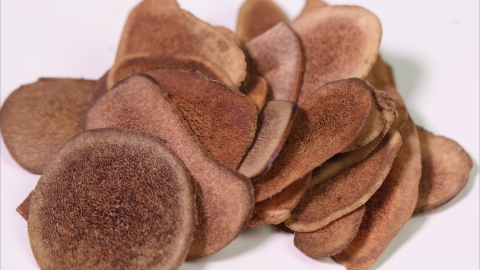
1. **Deer Antler**: Deer antler is warm in nature, with a sweet and salty taste. It functions to strengthen kidney yang, enrich essence and blood, and fortify tendons and bones. It is suitable for symptoms caused by kidney yang deficiency, such as aversion to cold, soreness and weakness of the lower back and knees, impotence, premature ejaculation, and insufficient essence and blood. It effectively replenishes kidney yang and enhances physical constitution.
2. **Epimedium (Yinyanghuo)**: Epimedium is warm in nature, with a pungent and sweet taste. It has the effects of tonifying kidney yang, strengthening tendons and bones, and dispelling wind-dampness. It is appropriate for conditions such as cold pain in the lower back and knees, impotence, nocturnal emission, and limb numbness due to kidney yang deficiency. It is especially suitable for individuals with kidney deficiency accompanied by bi syndrome (painful obstruction due to wind, cold, or dampness).
3. **Eucommia (Duzhong)**: Eucommia is warm in nature and sweet in taste. It nourishes the liver and kidneys, strengthens tendons and bones, and stabilizes pregnancy. It primarily addresses soreness and pain in the lower back and knees and weak tendons and bones due to liver and kidney deficiency. It helps improve symptoms such as weakness in the lower back, knees, and legs caused by kidney deficiency in men.
4. **Lycium (Gouqi)**: Lycium is neutral in nature and sweet in taste. It nourishes the liver and kidneys, benefits essence, and improves vision. It is suitable for symptoms caused by liver and kidney yin deficiency, such as dizziness, tinnitus, vision deterioration, soreness and weakness of the lower back and knees, tidal fever, and night sweats. Due to its mild nature, it is ideal for long-term regulation in cases of mild, chronic kidney deficiency.
5. **Rehmannia glutinosa (Shudihuang)**: Shudihuang is slightly warm in nature and sweet in taste. It nourishes blood, enriches yin, replenishes essence, and benefits the marrow. It primarily nourishes kidney yin and is indicated for conditions caused by kidney yin deficiency, such as soreness and weakness of the lower back and knees, nocturnal emission, premature ejaculation, dizziness, tinnitus, and premature graying of hair. It is a commonly used herb for tonifying kidney yin.
When using these herbal medicines, attention should be paid to contraindications and precautions. Individuals with yin deficiency and excessive internal heat should use warming herbs cautiously, while those with yang deficiency should avoid using only yin-nourishing herbs alone. Selection should be based on individual body constitution and proper pattern differentiation, and medications should be taken strictly under medical guidance to ensure safety and effectiveness of treatment.