Is there any reaction when drinking liquor and milk together?
Dec 10, 2025
Source: Cainiu Health

Dr. Huang Yuhong
Introduction
The main component of baijiu is alcohol, while milk is rich in protein and fat. The components of the two do not undergo a direct chemical reaction to produce toxic substances. When consumed together in small amounts, the proteins in milk may form a protective layer on the surface of the stomach lining, reducing the direct irritation caused by alcohol on the stomach. Some people also find that this helps alleviate the spiciness of baijiu, providing a certain buffering effect on the gastrointestinal tract.
Generally, healthy individuals consuming small amounts of liquor mixed with milk do not experience obvious adverse effects. However, excessive consumption or those with sensitive gastrointestinal systems may feel discomfort. If in doubt, it is advisable to consult a healthcare professional beforehand. Detailed analysis is as follows:
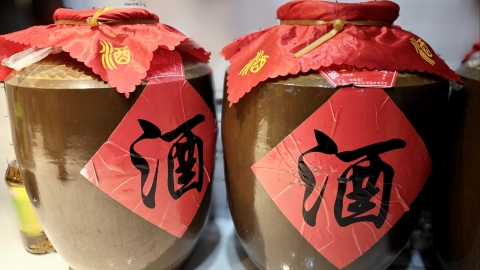
Liquor primarily contains alcohol, while milk is rich in protein and fat. There is no direct chemical reaction between these components that produces toxic substances. When consumed in small quantities together, the proteins in milk may form a protective layer on the stomach lining, reducing the direct irritation caused by alcohol. Some people may also find that this mixture alleviates the spiciness of liquor, providing a certain buffering effect on the digestive tract.
However, excessive mixing places dual burdens on the body. Alcohol must be metabolized by the liver, while large amounts of protein and fat increase the digestive load on the gastrointestinal system, potentially leading to indigestion symptoms such as bloating, nausea, and diarrhea. Additionally, individuals with weak gastrointestinal function or lactose intolerance may already experience discomfort from drinking milk alone; combining it with liquor can intensify irritation, possibly causing abdominal pain, acid reflux, and similar issues. These individuals should avoid mixing the two beverages.
When consuming both, strictly control the amount of liquor, avoid drinking on an empty stomach, and drink warm water afterward to support metabolism. If gastrointestinal discomfort occurs, discontinue use immediately and rest appropriately.