What should I do if my spleen and stomach are not functioning well?
Dec 10, 2025
Source: Cainiu Health

Dr. Huang Yuhong
Introduction
Poor spleen and stomach function may be caused by irregular eating habits, emotional imbalances, chronic gastritis, peptic ulcers, or functional dyspepsia. It can be improved through dietary adjustments, emotional regulation, and medication. If symptoms persistently worsen or are accompanied by acid reflux or black stools, prompt medical attention is necessary. Binge eating or long-term dieting can disrupt the
Poor spleen and stomach function may result from irregular eating habits, emotional imbalances, chronic gastritis, peptic ulcers, or functional dyspepsia. Symptoms can be improved through dietary adjustments, emotional regulation, and medication. If discomfort persists or worsens, especially with symptoms such as acid reflux or black stools, prompt medical attention is necessary.
1. Irregular Eating Habits: Overeating or prolonged dieting disrupts the normal digestive rhythm of the spleen and stomach, leading to bloating, belching, and poor appetite. It is recommended to eat at regular times and in moderate amounts—around 70–80% full per meal—and avoid spicy, raw, cold, or greasy foods that may irritate the digestive system.
2. Emotional Imbalance: Prolonged anxiety or depression can disrupt the flow of qi in the spleen and stomach, causing dull epigastric pain and indigestion. Maintaining a positive mood is advised; emotions can be relieved through physical activity, talking with others, and avoiding large emotional fluctuations that affect gastrointestinal function.
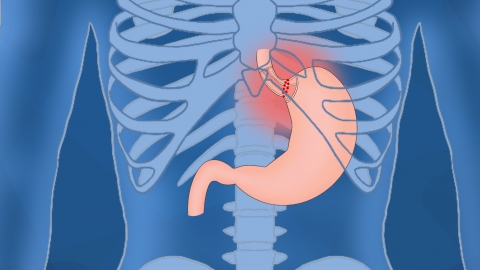
3. Chronic Gastritis: Chronic inflammation of the gastric mucosa caused by Helicobacter pylori infection or dietary irritation may present as persistent dull epigastric pain, acid reflux, and reduced appetite. Patients may take medications such as omeprazole enteric-coated capsules, hydrotalcite chewable tablets, or amoxicillin capsules under medical guidance to relieve symptoms.
4. Peptic Ulcer: Ulcers in the stomach or duodenum due to excessive gastric acid secretion or impaired mucosal defense often cause rhythmic stomach pain that worsens when fasting. It is recommended to take medications such as rabeprazole sodium enteric-coated tablets, bismuth potassium citrate capsules, or metronidazole tablets under a doctor's supervision to alleviate discomfort.
5. Functional Dyspepsia: Delayed digestion due to insufficient gastrointestinal motility leads to post-meal fullness, belching, and difficulty with bowel movements. Patients may follow medical advice to use domperidone tablets, Jianwei Xiaoshi tablets (digestive health tablets), or Bifidobacterium triple viable capsules to improve symptoms.
In daily life, maintain a light and easily digestible diet, and chew food thoroughly and slowly. Keep the abdomen warm, avoid staying up late, and engage in moderate walking to promote gastrointestinal motility and maintain a cheerful mood. Reduce intake of cold and spicy foods to lessen the burden on the spleen and stomach.