Can chicken blood and duck blood be eaten together?
Dec 10, 2025
Source: Cainiu Health

Dr. Huang Yuhong
Introduction
Chicken blood and duck blood both primarily consist of nutrients such as protein and iron. They are similar in taste and nutritional profile, and combining them does not produce any toxic or harmful substances. When used together, they can enhance the flavor of dishes—for example, mixing them in hot pot or preparing blood curd dishes not only increases ingredient variety but also provides more comprehensive nutrition, making it suitable for everyday meals.
Generally, chicken blood and duck blood can be consumed together without issues, as their nutritional components are compatible and there is no significant interaction between them. However, they should not be eaten if spoiled or improperly handled. If in doubt, it's advisable to consult a healthcare professional beforehand. The detailed analysis is as follows:
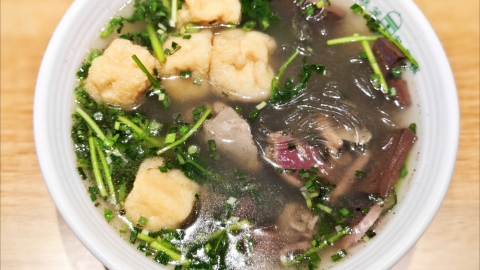
Both chicken blood and duck blood primarily contain nutrients such as protein and iron. Their taste and nutritional profiles are similar, so combining them does not produce any toxic or harmful substances. When used together, they can enhance the flavor of dishes—for example, mixing them in hot pot or preparing blood curd dishes—not only increases ingredient variety but also provides more comprehensive nutrition, making them suitable for regular dietary inclusion.
However, there are two situations in which consumption should be avoided. First, if either the chicken or duck blood is not fresh and shows signs of spoilage—such as an unpleasant odor, sliminess, or dark discoloration—mixing and consuming them increases health risks and may lead to gastrointestinal discomfort. Second, inadequate handling, such as insufficient cleaning or undercooking, may leave behind bacteria or impurities that could cause infections. These situations must be strictly avoided; always ensure the ingredients are fresh and thoroughly cooked.
Before consumption, carefully check the freshness of both chicken and duck blood. Clean them well and cook thoroughly. Maintain a balanced diet when incorporating these foods, avoid excessive intake, and individuals with weak digestion should limit portion sizes. If symptoms such as abdominal pain or diarrhea occur after eating, stop consumption immediately and seek medical attention.