


Can duck blood and shrimp be eaten together?
May 28, 2025
Source: Cainiu Health

Dr. Shen Yonghua
Introduction
Under normal circumstances, duck blood and shrimp can be consumed together. They complement each other in terms of nutritional components and health benefits, and moderate consumption can provide various health advantages; however, it is important to control the amount consumed. Duck blood is rich in high-quality animal protein, iron, vitamin B₁₂, and zinc, and has functions including blood nourishment, immune enhancement, and promotion of detoxification.
Under normal circumstances, duck blood and shrimp can be consumed together. They complement each other in terms of nutritional components and health benefits, and moderate consumption can provide various health advantages, although intake should be controlled. Detailed analysis is as follows:
Duck blood is rich in high-quality animal protein, iron, vitamin B₁₂, and zinc, and has functions such as blood replenishment, immune enhancement, and promoting detoxification. Shrimp contains high-quality protein, calcium, phosphorus, selenium, and Omega-3 fatty acids, offering benefits including cardiovascular protection, support of bone health, and anti-inflammatory effects.
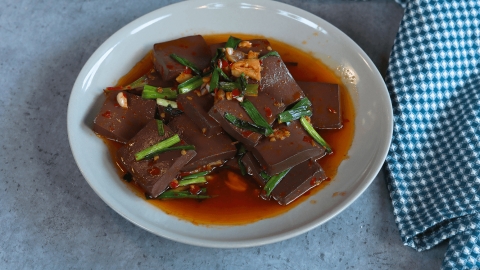
The heme iron in duck blood works synergistically with the protein in shrimp to promote hemoglobin synthesis, making this combination suitable for individuals with iron-deficiency anemia. The zinc in duck blood and the selenium in shrimp both have antioxidant properties that can enhance the body's resistance.
However, both duck blood and shrimp are moderate to high-purine foods, and excessive consumption may lead to increased uric acid levels, potentially triggering gout attacks. It is recommended to control daily intake. The calcium in shrimp may combine with tannic acid from foods such as tea and persimmons containing high levels of tannic acid, forming indigestible precipitates. It is therefore advised to consume these items at least two hours apart.


