


Is an alanine aminotransferase level of 111 serious?
Dec 02, 2025
Source: Cainiu Health

Dr. Huang Yuhong
Introduction
If the elevation is caused by physiological factors—such as recent heavy alcohol consumption, frequent熬夜 (staying up late), intense physical exercise, or taking medications known to cause liver injury (e.g., certain lipid-lowering or anti-inflammatory drugs)—and the individual has no symptoms such as jaundice or liver area pain, the levels typically return gradually to normal within 1–2 months after discontinuing these behaviors and adjusting lifestyle habits. In such cases, there is no need for excessive concern or special treatment.
Generally, an alanine aminotransferase (ALT) level of 111 U/L is considered a moderate elevation. If caused by short-term physiological factors, it is usually not serious; however, if due to underlying diseases, it should be taken seriously. If in doubt, it is recommended to seek medical advice promptly. Detailed analysis is as follows:
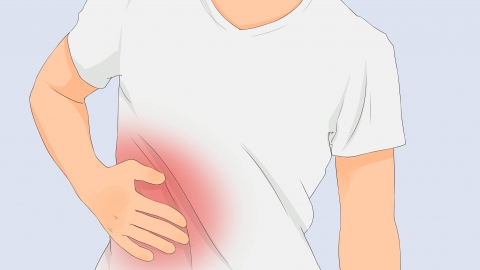
If the elevation is due to physiological factors—such as recent heavy alcohol consumption, frequent熬夜 (staying up late), intense physical exercise, or taking medications known to cause liver damage (e.g., certain lipid-lowering or anti-inflammatory drugs)—and there are no symptoms like jaundice or liver area pain, the ALT levels typically return to normal gradually within 1–2 months after discontinuing these behaviors and adjusting lifestyle habits. In such cases, excessive anxiety is unnecessary, and specific treatment is not required.
If the elevation is related to pathological conditions—such as viral hepatitis, fatty liver disease, cirrhosis, or cholecystitis—it may be accompanied by symptoms including loss of appetite, nausea, and fatigue. Without timely intervention, this could lead to ongoing liver damage and even more severe liver complications. In these cases, prompt evaluation with a full liver function panel, liver ultrasound, and other relevant tests is essential to determine the underlying cause and initiate targeted treatment to prevent disease progression.
Upon discovering an ALT level of 111 U/L, individuals should immediately stop drinking alcohol, maintain regular sleep patterns, avoid self-medicating with potentially hepatotoxic drugs, and have liver function rechecked after one month. If the levels remain elevated or if symptoms develop, prompt medical consultation and further investigation are advised.



