


Can blood tests detect AIDS?
Mar 09, 2025
Source: Cainiu Health

Dr. Liu Feng
Introduction
Whether blood tests can detect HIV depends on the timing of the test. Outside the window period, when antibody levels are sufficient, blood tests can usually provide an accurate diagnosis. However, during the window period, when the viral load is low and antibody levels in the blood are insufficient, false-negative results may occur, making an accurate diagnosis impossible. It is important to note that blood testing is only one method available, and other diagnostic methods can also be used in combination for diagnosis.
Generally speaking, whether blood tests can detect HIV depends mainly on the timing of the test. If testing is done outside the window period, it can usually determine whether HIV is present. However, if testing occurs during the window period, it may not be able to detect the virus. If you experience any discomfort, you should seek medical attention promptly. Detailed explanation is as follows:
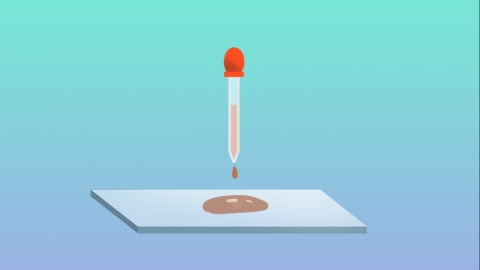
If the window period for HIV has passed—generally two weeks after infection—blood tests can usually determine whether HIV is present. This is because, beyond the window period, the body produces sufficient levels of antibodies, making it possible for blood tests to accurately detect the presence of the virus.
However, if testing is conducted during the HIV window period—that is, within two weeks after infection—blood tests may not accurately determine whether HIV is present. This is because the infection is too recent, the viral load is still low, and sufficient antibodies have not yet developed in the bloodstream, which could lead to a false-negative result.
It is important to note that blood testing is only one method of HIV detection. If there is any doubt, other testing methods can be used in combination to ensure accurate diagnosis and timely treatment based on the results. Additionally, sexual activity should be avoided before testing to prevent potential transmission to others.







