


Can donating blood detect HIV/AIDS?
Mar 03, 2025
Source: Cainiu Health

Dr. Liu Feng
Introduction
In general, blood donation can detect HIV. The blood testing process during donation includes specific screening for HIV. After donation, the collected blood undergoes rigorous testing at the blood center, including tests for human immunodeficiency virus (HIV) antibodies, antigens, and nucleic acid testing (NAT). In daily life, correctly and consistently using high-quality condoms during sexual activity is also an effective preventive measure.
Generally speaking, blood donation can detect HIV. The detailed analysis is as follows:
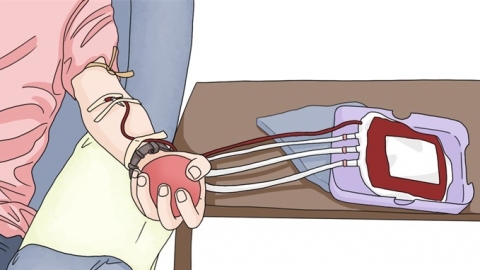
The blood testing process during blood donation includes specific tests for HIV. After donation, blood centers conduct rigorous testing on the collected blood, including tests for HIV antibodies, antigens, and nucleic acids. Generally, HIV antibody testing is a fundamental screening method. After the human body becomes infected with HIV, following the window period, the immune system will produce corresponding antibodies, which can be detected in the blood using specific testing methods. Antigen and nucleic acid testing can detect the virus earlier after infection, further enhancing the accuracy and timeliness of detection. Therefore, if a blood donor is infected with HIV and has passed the corresponding detection window period, it can typically be detected during the blood donation screening.
Correct and consistent use of quality condoms during sexual activity can help reduce the risk of contracting HIV and other sexually transmitted diseases. Additionally, unless necessary, one should try to avoid using blood products.



