


Can acute myeloid leukemia be cured?
Dec 12, 2025
Source: Cainiu Health

Dr. Li Feng
Introduction
In general, whether acute myeloid leukemia can be treated depends on a comprehensive assessment of factors such as the patient's age, disease subtype, and response to treatment. If any discomfort occurs, prompt medical attention is recommended. Maintain a clean and well-ventilated living environment, and regularly disinfect to reduce the risk of infection. Choose a diet rich in high-protein and high-calorie foods, prepared in a light and easily digestible manner, and avoid raw, cold, or unclean food.
In general, whether acute myeloid leukemia (AML) can be treated depends on a comprehensive evaluation of factors such as the patient's age, disease subtype, and response to treatment. If any discomfort occurs, prompt medical consultation is recommended. The specific analysis is as follows:
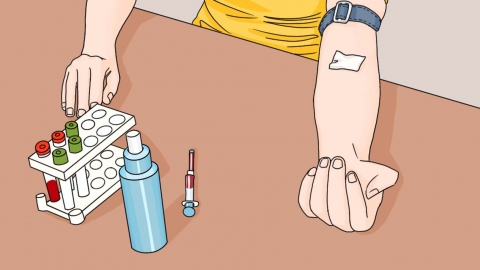
Some patients with acute myeloid leukemia respond well to treatment. Younger patients with good physical function, classified as low- or intermediate-risk based on disease subtype, often show high sensitivity to standard chemotherapy. After achieving complete remission, further consolidation therapy or hematopoietic stem cell transplantation may enable many of them to achieve long-term survival or even cure. Those without severe underlying diseases generally have a better prognosis.
Treatment is more challenging and less effective in certain situations. Elderly patients often have multiple comorbidities and poor physical tolerance, making it difficult for them to endure intensive therapies. High-risk disease subtypes or the presence of specific adverse genetic mutations are associated with higher relapse rates and lower remission rates after treatment. Some patients show poor response to chemotherapeutic agents, leading to progressive disease; in these cases, treatment focuses on symptom control and improving quality of life.
Maintain a clean and well-ventilated living environment, and regularly disinfect surfaces to reduce infection risk. Choose a diet rich in high-protein and high-calorie foods, prepared in a light and easily digestible manner, while avoiding raw, cold, or unhygienic foods. Pay attention to oral and skin hygiene, change clothes frequently, and prevent mucosal or skin injuries. Rest regularly to avoid fatigue, engage in appropriate physical activity according to individual capacity, maintain a positive mindset, and promptly inform healthcare providers of symptoms such as fever or bleeding.






