


What should I do if I have PCOS and cannot get pregnant?
May 23, 2026
Source: Cainiu Health

Dr. Zhang Lu
Introduction
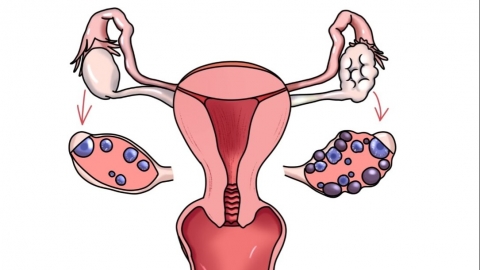
Polycystic ovaries typically refer to polycystic ovary syndrome (PCOS), and “difficulty conceiving” generally refers to infertility. In most cases, infertility associated with PCOS may result from factors such as disrupted circadian rhythms leading to ovulatory dysfunction, inappropriate diet causing metabolic abnormalities, hyperandrogenism, insulin resistance, or impaired ovarian follicular development. Patients may select appropriate management strategies—including lifestyle modifications, pharmacological treatment, or surgical intervention—based on their individual clinical circumstances.
Polycystic ovaries commonly refer to polycystic ovary syndrome (PCOS), while “difficulty conceiving” typically denotes infertility or challenges in achieving pregnancy. In general, infertility associated with PCOS may result from various factors, including disrupted circadian rhythms leading to ovulatory dysfunction, inappropriate dietary habits causing metabolic abnormalities, hyperandrogenism, insulin resistance, and impaired ovarian follicular development. Patients may select appropriate interventions—such as lifestyle modification, pharmacotherapy, or surgical treatment—based on their individual clinical circumstances. A detailed analysis follows:
1. Disrupted Circadian Rhythms and Ovulatory Dysfunction
Chronic sleep deprivation and irregular sleep–wake cycles disturb endocrine rhythmicity, resulting in delayed follicular development and irregular ovulation, thereby reducing the likelihood of conception. Maintaining consistent sleep–wake patterns—going to bed early and rising early—helps stabilize endocrine rhythms and supports normal follicular development and ovulation.
2. Poor Dietary Habits and Metabolic Abnormalities
Prolonged consumption of high-fat, high-sugar foods can lead to overweight or obesity, triggering systemic metabolic disturbances that exacerbate ovarian ovulatory dysfunction. Adopting a balanced, low-fat, low-sugar diet—emphasizing light, frequent meals—and incorporating regular moderate physical activity can help control body weight and improve metabolic health.
3. Hyperandrogenism
Elevated circulating androgen levels inhibit follicular development and disrupt normal ovulation, contributing to infertility. Under medical supervision, medications such as ethinylestradiol–cyproterone acetate tablets, spironolactone tablets, or estradiol valerate tablets may be prescribed to normalize hormonal balance and restore ovulatory function.
4. Insulin Resistance
Reduced insulin sensitivity aggravates endocrine imbalance and impairs follicular maturation, potentially leading to infertility. Under physician guidance, oral antidiabetic agents—including metformin hydrochloride tablets, acarbose tablets, and gliclazide tablets—may be used to improve insulin metabolism and support ovarian function.
5. Impaired Ovarian Follicular Development
Chronic polycystic ovarian morphology is characterized by the simultaneous development of multiple small follicles without formation of a dominant follicle, thus preventing normal ovulation. Ovulation induction therapy may include letrozole tablets, clomiphene citrate tablets, or progesterone capsules, per physician instruction. For refractory cases, laparoscopic ovarian drilling may be considered; subsequent follicular monitoring is essential postoperatively.
In daily life, patients should adhere to a healthy lifestyle, maintain optimal body weight, stabilize metabolic and hormonal profiles, cultivate a positive mental outlook, actively cooperate with professional management and treatment, undergo regular follicular monitoring, and time conception attempts appropriately.


