


Can endometriosis cause infertility?
Jun 18, 2026
Source: Cainiu Health

Dr. Zhang Lu
Introduction
In general, whether endometriosis leads to infertility depends on the patient’s specific symptoms and must be assessed on an individual basis. If any discomfort or symptoms arise, prompt medical consultation is recommended. During the course of the disease, patients should maintain regular sleep-wake cycles to stabilize hormonal secretion, avoid cold, raw, and spicy foods, and refrain from strenuous physical activity. Regular gynecological follow-up examinations are essential to monitor lesion progression and enable early intervention for any abnormal bodily changes.
Generally, whether endometriosis leads to infertility depends on the patient’s specific symptoms. If any discomfort arises, prompt medical consultation is recommended. A detailed analysis follows:
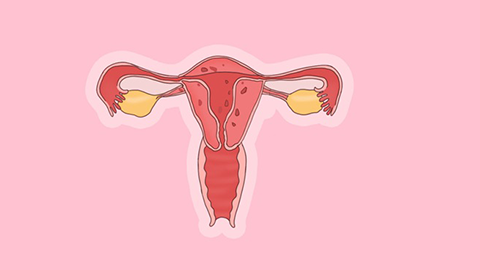
In mild endometriosis, infertility does not typically occur. Lesions are scattered only on the superficial pelvic peritoneum and do not impair baseline ovarian function or cause pelvic adhesions or tubal obstruction. Ovulation proceeds normally, fallopian tubes efficiently capture ova, sperm and ova can unite unimpeded to form a fertilized egg, and the uterine environment remains conducive to embryo implantation and development—thus, most affected individuals can conceive naturally.
Moderate-to-severe endometriosis, however, commonly causes infertility. Ectopic endometrial tissue undergoes cyclical bleeding and proliferation with each menstrual cycle, triggering widespread pelvic adhesions. Fallopian tubes may become distorted or obstructed, hindering ovum transport; when lesions infiltrate the ovaries, they disrupt follicular development architecture, leading to ovulatory dysfunction. Concurrently, the pelvic microenvironment changes—increased inflammatory mediators reduce sperm motility and viability, impede fertilization and embryo implantation, and significantly diminish the likelihood of conception.
During disease management, maintaining regular sleep-wake cycles is essential to stabilize endogenous hormone secretion. Intake of cold, raw, or spicy foods should be minimized, and strenuous physical activity avoided. Consistent gynecological follow-up examinations help monitor lesion progression, enabling timely intervention for any physiological abnormalities—thereby effectively preserving reproductive health and sustaining normal fertility potential.


