


How long can a patient with uremia and a creatinine level of 2000 μmol/L survive?
May 29, 2026
Source: Cainiu Health

Dr. Yang Guang
Introduction
In general, there is no specific life expectancy for patients with uremia and a serum creatinine level of 2000 μmol/L; survival duration depends on various factors, including the chosen treatment modality and control of complications. If any discomfort or symptoms arise, prompt medical consultation is recommended. Patients must adhere to standardized dialysis therapy, maintain a stable mental state, and follow a light, low-salt, low-potassium diet.
Generally speaking, there is no specific life expectancy for patients with uremia and a serum creatinine level of 2000 μmol/L. Their survival duration depends on multiple factors, including the chosen treatment modality and the control of complications. If any discomfort or symptoms arise, prompt medical consultation is strongly advised. A detailed analysis follows:
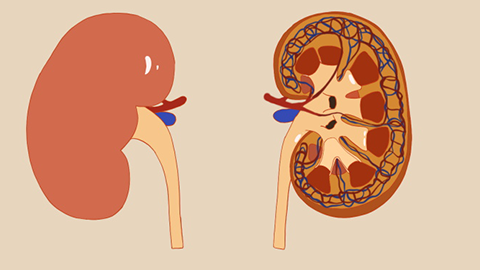
A serum creatinine level exceeding 2000 μmol/L in uremic patients indicates complete renal failure—meaning the kidneys can no longer effectively eliminate metabolic toxins and excess fluid from the body. Accumulation of these toxins progressively damages multiple organ systems throughout the body. However, if patients promptly initiate and adhere to regular dialysis therapy to efficiently remove toxins, rigorously manage severe complications such as hypertension, hyperkalemia, and heart failure, and maintain internal homeostasis, their survival time can be significantly prolonged.
Conversely, refusal to undergo standardized treatment—or inconsistent, intermittent treatment—coupled with frequent complication flare-ups, rapidly exacerbates damage to the cardiovascular and nervous systems, thereby substantially shortening life expectancy.
Patients must consistently adhere to prescribed dialysis regimens, maintain psychological stability, follow a light, low-salt, low-potassium diet, strictly control fluid intake, undergo regular monitoring of key clinical parameters, promptly address any emerging symptoms or discomfort, and strive to preserve overall physiological function and stability.


