Is there currently a cure for Stage IV IgA Nephropathy?
Jun 05, 2026
Source: Cainiu Health

Dr. Yang Guang
Introduction
In general, IgA nephropathy stage IV currently has no known cure. If you experience any discomfort or symptoms, seek medical attention promptly. Maintaining stable kidney function requires long-term adherence to healthy lifestyle habits: follow a light diet low in salt and fat, strictly control protein intake to reduce the metabolic burden on the kidneys, maintain regular sleep-wake cycles, and avoid staying up late or overexertion.
Generally speaking, IgA nephropathy stage IV currently has no known cure. If any discomfort or symptoms arise, prompt medical consultation is strongly advised. A detailed analysis follows:
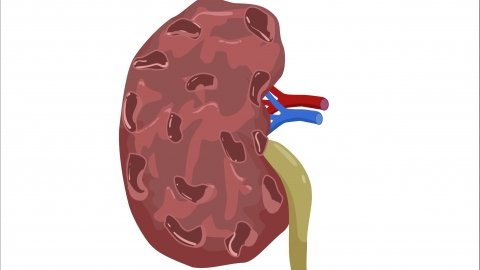
At present, there is no definitive cure for IgA nephropathy stage IV. By this stage, irreversible kidney damage has already occurred. When the disease progresses to stage IV, widespread glomerulosclerosis, persistent tubular atrophy, and extensive interstitial fibrosis are typically observed. Since intrinsic renal cells—such as podocytes and tubular epithelial cells—are non-regenerative, they cannot self-repair or regenerate once damaged or lost. Clinically, interventions focus on controlling blood pressure, reducing proteinuria, and thereby slowing the progressive decline in renal function to prevent progression to end-stage renal disease (ESRD). However, these measures cannot reverse established structural kidney damage; thus, under current medical capabilities, complete cure of stage IV IgA nephropathy remains unattainable.
Maintaining stable kidney function requires long-term adherence to healthy lifestyle habits. Daily dietary management should emphasize low-salt, low-fat, and light meals, with strict control of protein intake to reduce the metabolic burden on the kidneys. Consistent sleep-wake patterns should be maintained, avoiding late-night activities and excessive physical exertion. Gentle, individualized physical activity—tailored to one’s clinical status—is recommended. Regular monitoring of blood pressure and urinalysis parameters is essential, along with strict adherence to prescribed medications. Additionally, all potential risk factors that may exacerbate renal stress must be avoided to ensure sustained stability of renal function.