Is burning mouth syndrome a dermatological condition?
Jun 18, 2026
Source: Cainiu Health

Dr. Liu Chao
Introduction
In most cases, burning mouth syndrome is not a dermatological condition but rather an oral disorder. If uncomfortable symptoms arise, prompt medical consultation is recommended. Daily management includes maintaining a mild and bland diet, avoiding spicy or excessively hot foods, keeping the mouth clean and moist, adhering to regular sleep patterns to stabilize bodily metabolism, minimizing abnormal stimulation of oral nerves, effectively alleviating oral discomfort, and reducing the likelihood of symptom recurrence.
Generally speaking, burning mouth syndrome (BMS) is not a dermatological condition but rather an oral disease. If you experience any discomfort, prompt medical consultation is recommended. A detailed analysis follows:
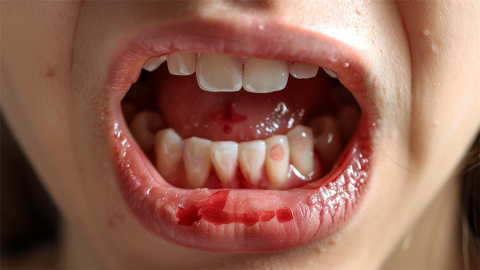
Burning mouth syndrome primarily affects intraoral tissues—including the oral mucosa, tongue, and inner surfaces of the lips. Its pathogenesis centers on dysfunction of oral nerves and abnormalities in mucosal metabolism, without involvement of the skin’s superficial layers. In contrast, dermatological disorders typically arise from impairment of the skin’s barrier function, dysbiosis of the cutaneous microbiome, or epidermal cell pathology, and may affect skin across the entire body surface. BMS is commonly triggered by peripheral nerve dysfunction in the oral cavity, abnormal salivary secretion, alterations in oral mucosal microcirculation, or fluctuations in endocrine activity. Predominant symptoms include intraoral burning sensation, numbness, and taste disturbances; the condition remains confined to the oral system throughout its course and bears no association with skin pathology—hence its classification as an oral disease.
In daily life, maintaining a mild, bland diet—avoiding spicy or excessively hot foods—helps preserve oral cleanliness and moisture. Regular sleep patterns and stable metabolic function further reduce abnormal stimulation of oral nerves, effectively alleviating oral discomfort and lowering the risk of symptom recurrence.