Can hypopituitarism cause hypotension?
Jun 24, 2026
Source: Cainiu Health

Dr. Li Feng
Introduction
In general, whether hypopituitarism leads to hypotension depends on the severity of the condition. If any discomfort or symptoms arise, prompt medical consultation is recommended. Maintain a regular daily routine according to the course of the disease, ensure adequate rest, and avoid excessive fatigue and strenuous exercise. Follow a balanced diet, ensuring comprehensive nutritional intake—including moderate amounts of high-quality protein and trace elements—to support normal metabolic function.
Generally, whether hypopituitarism leads to hypotension depends on the severity of the condition. If any discomfort occurs, prompt medical consultation is recommended. A detailed analysis follows:
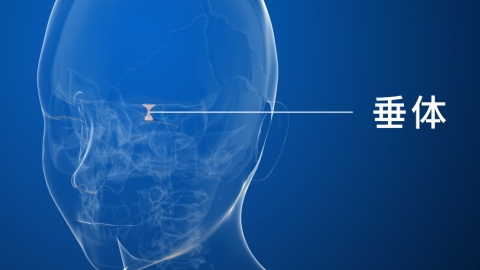
In severe cases, pituitary hormone secretion is markedly reduced, resulting in significant functional decline of target endocrine glands—such as the adrenal cortex and thyroid gland. Insufficient production of glucocorticoids and thyroid hormones slows down basal metabolism, weakens myocardial contractility, impairs vascular tone, and reduces effective circulating blood volume—ultimately causing persistent hypotension, often accompanied by symptoms such as dizziness and fatigue.
In mild cases, only minor hormonal imbalances occur, with target gland function remaining essentially intact. Metabolism, cardiovascular tone, and circulating blood volume remain stable; thus, blood pressure stays within the normal range, and no hypotension-related symptoms manifest.
To support recovery, maintain regular daily routines and ensure adequate rest. Avoid excessive physical exertion and intense exercise. Follow a balanced diet rich in high-quality protein and essential trace elements to sustain normal metabolic function. Gradually incorporate gentle physical activity to enhance cardiovascular regulatory capacity, stabilize physiological homeostasis, and reduce the occurrence of discomfort.