What Are the Symptoms and Treatment Medications for Scalp Ringworm?
Jun 27, 2026
Source: Cainiu Health

Dr. Liu Wenmin
Introduction
In general, common symptoms of tinea capitis (scalp ringworm) include pruritus and scaling of the scalp, erythematous papules, dry and brittle hair with breakage, yellowish crusts on the scalp, and scalp erythema, swelling, and pustules. Treatment may include oral antifungal medications—such as terbinafine hydrochloride tablets, itraconazole capsules, fluconazole capsules, griseofulvin tablets—or, in certain cases, prednisone acetate tablets, all prescribed and administered under medical supervision. A detailed analysis follows:
Generally, common symptoms of tinea capitis (scalp ringworm) include pruritus and scaling of the scalp, erythematous papules, brittle and broken hair, yellow crusts on the scalp, and scalp erythema, swelling, and pustules. Treatment may involve oral administration of terbinafine hydrochloride tablets, itraconazole capsules, fluconazole capsules, griseofulvin tablets, or prednisone acetate tablets—strictly under medical supervision. A detailed analysis follows:
I. Symptoms
1. Scalp pruritus and scaling
Dermatophytes invade the stratum corneum of the scalp, disrupting normal epidermal metabolism and causing abnormal desquamation of the stratum corneum. This irritates cutaneous nerve endings, resulting in persistent pruritus and excessive scaling.
2. Erythematous papules
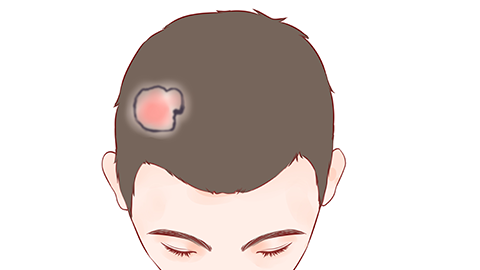
Persistent fungal proliferation triggers a superficial inflammatory response in the scalp, leading to capillary dilation and congestion. This manifests as well-demarcated erythematous plaques accompanied by inflammatory papules the size of rice grains.
3. Brittle and broken hair
Fungi invade the hair shaft, damaging its keratin structure and impairing nutrient retention. Consequently, hair becomes dry, fragile, and prone to breakage—even with minimal traction.
4. Yellow crusts on the scalp
Superficial inflammatory exudates mix with scales and fungal metabolites, accumulating and solidifying into thick, adherent yellow crusts that tightly adhere to the scalp surface and resist removal.
5. Scalp erythema, swelling, and pustules
Fungal invasion of hair follicles induces folliculitis; progressive inflammation leads to formation of inflammatory pustules, accompanied by scalp edema and erythema. Inappropriate management may result in permanent follicular damage.
II. Pharmacotherapy
1. Terbinafine hydrochloride tablets
These inhibit synthesis of the fungal cell membrane, thereby disrupting fungal structural integrity and eliminating pathogenic fungi residing in both the scalp and hair follicles. They are indicated for tinea capitis caused by various dermatophytes.
2. Itraconazole capsules
A broad-spectrum antifungal agent, it interferes with ergosterol synthesis in fungal cell membranes, suppressing fungal proliferation and growth. It effectively alleviates inflammation and cutaneous lesions associated with tinea capitis.
3. Fluconazole capsules
This agent selectively targets fungal cells, blocking key metabolic pathways. It helps relieve hallmark symptoms of tinea capitis—including pruritus, scaling, and erythema.
4. Griseofulvin tablets
Griseofulvin penetrates the keratinized layers of hair, binding to hair tissue and preventing fungal invasion of the hair shaft. It effectively addresses hair-related complications of tinea capitis, such as breakage and structural damage.
5. Prednisone acetate tablets
These reduce severe inflammatory responses in the scalp, alleviating symptoms such as pustulation and marked erythema and edema. They serve as adjunctive therapy for severe cases of tinea capitis to improve overall cutaneous lesion status.
Maintain scalp cleanliness and dryness daily; regularly launder pillowcases and disinfect combs and other personal items to minimize fungal growth and transmission. Adhere to regular sleep patterns and maintain overall health to strengthen scalp immunity. Seek prompt medical evaluation and appropriate treatment upon onset of symptoms.