


How is trigger thumb treated?
Jul 01, 2026
Source: Cainiu Health

Dr. Li Feng
Introduction
In general, the treatment of thumb tenosynovitis primarily includes conservative management, physical therapy, pharmacological therapy, traditional Chinese medicine (TCM) therapy, and surgical intervention. Additionally, during treatment, patients should adhere to scientifically sound hand care—avoiding prolonged or forceful use of the thumb—and promptly relax their hands after manual labor. Early intervention is recommended for even mild discomfort, and habitual overuse or strain should be avoided.
Generally, the treatment of thumb tenosynovitis includes conservative management, physical therapy, pharmacotherapy, traditional Chinese medicine (TCM) therapy, and surgical intervention. A detailed analysis follows:
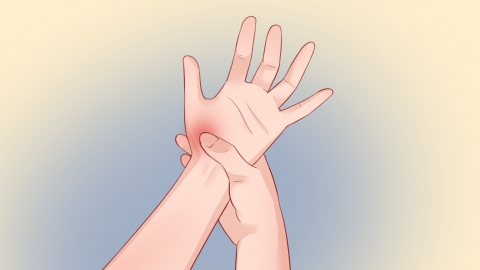
1. Conservative Management
Patients should minimize repetitive thumb movements—such as flexion, extension, gripping, and forceful exertion—to maintain relaxation of the thumb tendon and its surrounding sheath. Thumb tenosynovitis commonly results from chronic overuse and friction-induced aseptic inflammation. Reducing activity decreases local tissue friction, alleviates inflammatory accumulation, and facilitates gradual healing of damaged soft tissues. Additionally, maintaining hand warmth in daily life helps prevent cold exposure, which may exacerbate local stagnation of qi and blood.
2. Physical Therapy
Physical therapy improves local conditions in the affected thumb. Common modalities include localized heat application and infrared irradiation. Local heat therapy enhances peripheral circulation in the hand, promoting the clearance of accumulated inflammatory mediators and relieving stiffness and pain. Infrared irradiation helps relax tense tendons and tendon sheaths, reduces local edema, and alleviates discomfort during thumb movement.
3. Pharmacotherapy
Medications can effectively address swelling, pain, and restricted mobility associated with thumb tenosynovitis. Under medical guidance, patients may use topical agents such as flurbiprofen gel patches or indomethacin ointment, or oral medications like diclofenac sodium sustained-release tablets. These approved medications suppress local inflammatory responses and reduce soft-tissue edema and pain.
4. Traditional Chinese Medicine (TCM) Therapy
According to TCM theory, thumb tenosynovitis often arises from local stagnation of qi and blood and obstruction of meridians. Therapeutic approaches include massage (tuina) and moxibustion. Gentle tuina helps release adhesions in affected soft tissues and promotes smooth flow of qi and blood in the hand. Moxibustion warms and unblocks the meridians, resolves blood stasis, relieves local stiffness, and supports restoration of normal thumb function.
5. Surgical Intervention
Surgery is indicated for patients who fail to respond adequately to conservative measures and present with severe tendon sheath narrowing and adhesion. The procedure involves releasing the constricted tendon sheath to relieve mechanical compression on the tendon, thereby restoring its normal gliding capacity. This alleviates recurrent thumb pain and catching during flexion/extension, ultimately restoring normal hand function.
Additionally, consistent, evidence-based self-care throughout treatment is essential: avoid prolonged or excessive thumb use; relax the hand promptly after manual labor. Early intervention upon noticing mild symptoms—and eliminating habitual overuse—can accelerate recovery and significantly reduce the risk of recurrence.





