


What causes itching of the skin on the right thumb?
Nov 28, 2025
Source: Cainiu Health

Dr. Liu Wenmin
Introduction
In general, itching of the skin on the right thumb may be caused by frequent friction, exposure to irritants, tinea manuum (fungal infection), dyshidrotic eczema, contact dermatitis, or other reasons. It is recommended to seek medical attention promptly, identify the underlying cause, and receive symptomatic treatment under a doctor's guidance. In daily life, avoid washing the itchy thumb with hot water and choose a mild hand cleanser for cleaning.
Generally, itching of the skin on the right thumb may be caused by frequent friction, exposure to irritants, tinea manuum (fungal infection), dyshidrotic eczema (pompholyx), or contact dermatitis. It is recommended to seek medical attention promptly to determine the underlying cause and receive appropriate treatment under a doctor's guidance. A detailed analysis is as follows:
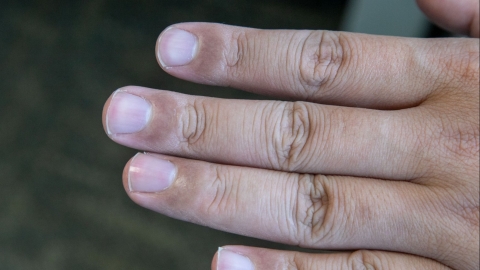
1. Frequent friction irritation: The right thumb is frequently used in daily activities. Prolonged contact with items such as a mouse, keyboard, or tools can lead to skin abrasion and damage to the stratum corneum, resulting in itching. To prevent this, reduce excessive thumb movement, wear soft finger sleeves when using a mouse or keyboard to avoid direct friction, and apply a gentle hand cream after each use.
2. Exposure to irritant substances: Contact with chemicals such as detergents, disinfectants, or dyes can disrupt the skin barrier of the thumb and cause itching. Wear waterproof gloves when doing household chores or handling chemicals. After exposure, wash the thumb immediately with lukewarm water and apply a non-irritating moisturizing lotion to restore the skin barrier.
3. Tinea manuum (hand fungus): A fungal infection affecting the skin of the right thumb, typically starting with itching, followed by blisters and flaking. Patients should follow medical advice and use antifungal medications such as terbinafine hydrochloride cream, bifonazole cream, or miconazole nitrate cream. Continue applying the medication for one week after symptoms resolve to prevent recurrence.
4. Dyshidrotic eczema (pompholyx): Overactive sweat glands in the thumb or emotional stress may obstruct sweat excretion, leading to small blisters accompanied by intense itching. Avoid scratching the blisters. For relief, use calamine lotion, desonide cream, or mometasone furoate cream as directed by a physician. Keep the thumb dry and well-ventilated.
5. Contact dermatitis: Allergic reactions triggered by allergens such as metal jewelry, rubber gloves, or certain foods can cause redness and itching on the thumb. Under medical supervision, patients may take antihistamines like cetirizine hydrochloride tablets or loratadine capsules, and apply topical treatments such as hydrocortisone butyrate cream to alleviate symptoms.
In daily life, avoid washing the itchy thumb with hot water and choose mild hand soaps for cleansing. Trim fingernails carefully without cutting them too short to prevent skin injury and worsening of itching. Maintain a light diet and minimize consumption of spicy or irritating foods to support skin recovery.






