


What causes a white half-moon on the thumb, and what should be done about it?
Dec 01, 2025
Source: Cainiu Health

Dr. Li Feng
Introduction
In general, a white half-moon on the thumb may be caused by factors such as early-stage nail growth, nutritional imbalance, nail dystrophy, onychomycosis (fungal nail infection), or nail psoriasis. Depending on the specific situation, improvement can be achieved through general调理 (regulation), medication, or other treatments. In daily life, it is important to maintain a varied diet to ensure comprehensive nutrient intake and to practice good hand hygiene, avoiding nail trauma and fungal infections.
Generally, a white half-circle on the thumb may result from early nail growth, nutritional imbalance, nail dystrophy, onychomycosis (fungal nail infection), or nail psoriasis. Depending on the specific situation, improvements can be made through general调理 (regulation), medication, or other treatments. Detailed analysis is as follows:
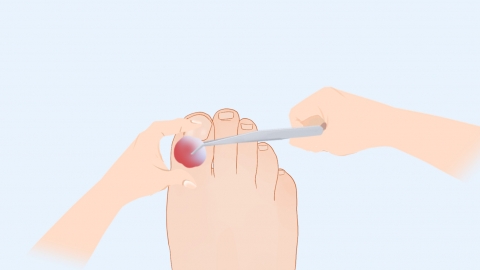
1. Early Nail Growth
When nails begin growing from the nail root, they appear white and gradually become transparent as they grow. The immature portion at the tip forms a white half-circle. No special treatment is required—simply maintain nail cleanliness and avoid frequent filing.
2. Nutritional Imbalance
Long-term deficiency in nutrients such as protein and calcium can impair keratin synthesis in nails, leading to the appearance of a white half-circle. Adjust the diet by consuming more protein- and calcium-rich foods like eggs, milk, and lean meat, and maintain regular meal times.
3. Nail Dystrophy
Abnormal keratinization of the nail plate can lead to nail dystrophy, causing a white half-circle along with thinning and brittle nails. Under medical guidance, supplements such as multivitamin tablets, calcium gluconate oral solution, and vitamin B complex may be taken. Also, take care to protect the hands.
4. Onychomycosis (Fungal Nail Infection)
Fungal invasion of the nail plate by dermatophytes disrupts its structure, resulting in white spots or a white half-circle on the nail. Over time, the nail may become brittle and discolored. Follow medical advice to apply amorolfine hydrochloride topically or take oral itraconazole capsules or fluconazole tablets. Avoid sharing nail clippers with others.
5. Nail Psoriasis
Psoriasis affecting the nail bed interferes with normal nail growth, causing a white half-circle and often accompanied by pitting on the nail surface. Under medical supervision, topical treatments such as calcipotriol ointment, tacrolimus ointment, or halometasone cream may be used. Keep nails dry and clean.
In daily life, emphasize a diverse diet to ensure comprehensive nutrition; maintain hand hygiene to prevent nail trauma and fungal infections; if nail abnormalities persist or do not improve, seek timely evaluation and treatment from a dermatologist for early intervention and recovery.



