


What Are the Symptoms and Treatments of Myelitis?
Jul 01, 2026
Source: Cainiu Health

Dr. Li Feng
Introduction
In general, common symptoms of myelitis include numbness in the limbs, abnormal sensations in the trunk, limb weakness, urinary and bowel dysfunction, and low back or back pain. Common treatment approaches include bed rest, physical rehabilitation, pharmacological interventions, Traditional Chinese Medicine (TCM) regulation, and symptomatic nursing care. A detailed analysis is as follows: Patients should maintain a regular daily routine and actively participate in rehabilitation training.
Generally, common symptoms of myelitis include limb numbness, trunk sensory abnormalities, limb weakness, urinary and bowel dysfunction, and low back or dorsal pain. Common treatment approaches include bed rest, physical rehabilitation, pharmacological intervention, traditional Chinese medicine (TCM) regulation, and symptomatic nursing care. A detailed analysis follows:
I. Symptoms
1. Limb Numbness
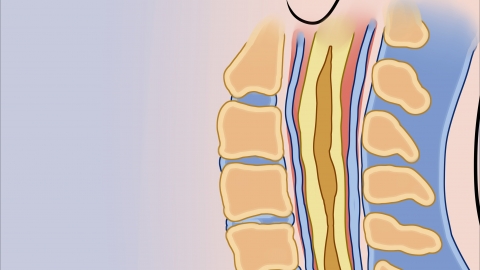
Numbness typically begins in the lower limbs and gradually progresses upward. Inflammatory damage to the spinal cord disrupts neural conduction pathways, impairing normal transmission of nerve signals and resulting in abnormal sensations—such as tingling, “pins-and-needles,” or a wooden, dull feeling—in the distal extremities.
2. Trunk Sensory Abnormalities
The skin of the trunk may exhibit stabbing pain, coldness, or diminished tactile sensation. Inflammation affecting sensory nerve fibers within the spinal cord impairs normal somatosensory function, reducing sensitivity to touch and temperature stimuli.
3. Limb Weakness
Weakness may occur unilaterally or bilaterally, manifesting as limb flaccidity and difficulty lifting limbs; in severe cases, standing and walking become impaired. Damage to spinal motor neurons prevents effective neural signaling to muscles, leading to progressive loss of muscle strength.
4. Urinary and Bowel Dysfunction
Urinary and fecal retention or incontinence may develop following disease onset. The lower spinal cord contains neural circuits regulating micturition and defecation; inflammatory lesions directly disrupt these regulatory mechanisms, causing dysfunction of urinary and bowel control.
5. Low Back or Dorsal Pain
A persistent dull or distending pain occurs at the spinal level corresponding to the lesion site. Inflammatory stimulation of the spinal cord and surrounding soft tissues induces local hyperemia and edema, thereby generating pain.
II. Treatment
1. Bed Rest
During the acute phase, strict bed rest is required to minimize limb movement, reduce mechanical stress on the spinal cord, prevent exacerbation of spinal cord edema and neural injury, and provide a stable environment conducive to inflammatory tissue repair.
2. Physical Rehabilitation
In the recovery phase, limb massage and passive range-of-motion exercises improve limb condition, enhance local blood circulation, prevent muscle atrophy and joint contractures, and progressively restore motor function.
3. Pharmacological Intervention
Under medical supervision, patients may receive medications including prednisolone acetate tablets, mecobalamin tablets, vitamin B1 tablets, mouse nerve growth factor for injection, and dibazol tablets. These agents exert anti-inflammatory and anti-edematous effects, nourish nerves, and promote repair of damaged spinal cord neural tissue.
4. Traditional Chinese Medicine (TCM) Regulation
Acupuncture and tuina (Chinese therapeutic massage) help unblock meridians and regulate qi and blood flow throughout the body, improving neural perfusion, alleviating limb numbness and weakness, and supporting functional recovery of injured nerves and limbs.
5. Symptomatic Nursing Care
Regular repositioning, skin hygiene maintenance, and vigilant monitoring help prevent pressure ulcers and urinary tract infections, stabilize physiological functions, and mitigate complications that could hinder recovery.
In daily life, patients should maintain regular sleep-wake cycles, actively participate in prescribed rehabilitation programs, seek prompt medical attention for any new or worsening symptoms, adhere strictly to physician-directed treatment regimens, and thereby reduce the risk of long-term sequelae.







