


What Are the Causes and Solutions for Heel Pain?
Jul 06, 2026
Source: Cainiu Health

Dr. Li Feng
Introduction
In general, heel pain may result from prolonged standing, excessively rigid shoe soles, plantar fasciitis, Achilles tendinitis, or calcaneal spurs. Patients may choose among conservative management, pharmacological treatment, or surgical intervention based on their individual circumstances to alleviate symptoms. Specific recommendations are as follows: In daily life, prioritize wearing comfortable, supportive footwear and socks, and avoid prolonged standing or extended walking.
Generally, heel pain may result from prolonged standing, excessively rigid shoe soles, plantar fasciitis, Achilles tendinitis, or calcaneal spurs. Patients may select appropriate interventions—such as conservative management, pharmacotherapy, or surgical treatment—based on their specific condition. A detailed analysis follows:
1. Prolonged Standing
Standing for extended periods places continuous weight-bearing stress on the heel, leading to localized soft-tissue compression and congestion, which manifests as aching and discomfort. To alleviate symptoms, reduce standing duration, sit and rest at regular intervals, and elevate the feet to relax foot muscles.
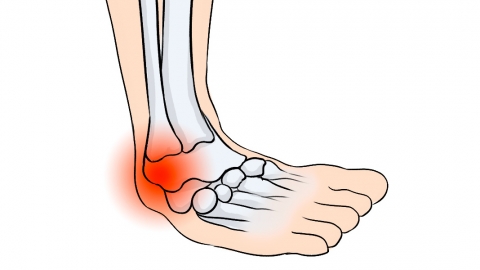
2. Rigid Shoe Soles
Rigid soles fail to absorb impact forces generated during walking, resulting in persistent mechanical stimulation of the heel bone and surrounding soft tissues, thereby triggering pain. Switch to soft, breathable athletic shoes and use cushioned heel pads to minimize load transmission to the foot.
3. Plantar Fasciitis
Repetitive traction on the plantar fascia leads to sterile inflammation, with associated fascial congestion and edema. Walking further stretches the inflamed tissue, exacerbating heel pain. Under medical supervision, patients may take celecoxib capsules, diclofenac sodium sustained-release tablets, or etoricoxib tablets. Additionally, avoid prolonged walking and high-impact activities such as running or jumping.
4. Achilles Tendinitis
Chronic overuse and repetitive traction cause localized inflammation of the Achilles tendon; inflammatory irritation results in posterior heel pain, which worsens with activity. Under medical guidance, nonsteroidal anti-inflammatory drugs (NSAIDs) such as loxoprofen sodium tablets, meloxicam tablets, or nabumetone capsules may be prescribed. During the acute phase, limit ankle flexion and extension movements.
5. Calcaneal Spur
A bony outgrowth develops on the calcaneus due to degenerative bone changes; during ambulation, this spur compresses adjacent soft tissues, causing persistent pain. Under medical supervision, medications such as ossapeptide tablets, anti-osteophyte pills, or ibuprofen tablets may be used. In severe, refractory cases, surgical excision of the calcaneal spur may be required.
In daily life, prioritize comfortable, supportive footwear and socks; avoid prolonged standing or extended walking; perform gentle stretching exercises targeting the plantar fascia and Achilles tendon; and seek timely medical evaluation and intervention for recurrent heel pain to prevent progressive overuse injury.






