


Why does scratching the skin make itching worse?
Jul 07, 2026
Source: Cainiu Health

Dr. Liu Wenmin
Introduction
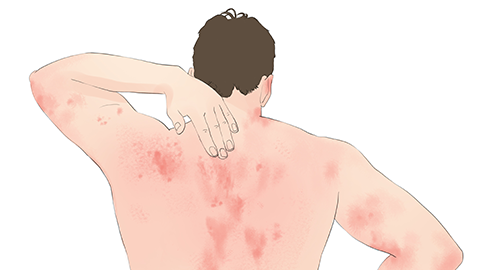
In most cases, the more the skin is scratched, the itchier it becomes—this may be caused by dry skin, insect bites, eczema, urticaria (hives), or neurodermatitis. If uncomfortable symptoms arise, it is advisable to seek timely medical evaluation and treatment at a reputable hospital. Specific analysis is as follows: In daily life, maintain adequate skin hydration and implement effective mosquito- and insect-repellent measures.
Generally, worsening itch upon scratching may result from dry skin, insect bites, eczema, urticaria (hives), or neurodermatitis. If uncomfortable symptoms develop, it is advisable to seek timely evaluation and treatment at a reputable hospital. A detailed analysis follows:
1. Dry Skin
Loss of moisture in the stratum corneum compromises the skin’s barrier function. Scratching damages the superficial skin layer and stimulates underlying nerves, thereby intensifying itch. Apply moisturizing body lotion daily, minimize frequent scrubbing or harsh cleansing, and maintain appropriate environmental humidity.
2. Insect Bites
Residual insect venom triggers a mild localized allergic reaction; scratching spreads the venom and exacerbates itching and swelling. Clean the bite site with soapy water, apply gentle cold compresses to relieve itch, and avoid repeated scratching of the affected area.
3. Eczema
Inflammatory skin lesions with microscopic epidermal breaks occur; scratching aggravates inflammation and intensifies pruritus. Topical treatments—such as mometasone furoate cream, hydrocortisone butyrate cream, or calamine lotion—may be used per physician instruction.
4. Urticaria (Hives)
Localized edema develops in the skin and mucosa; scratching induces vasodilation, worsening wheals and pruritus. Oral antihistamines—including cetirizine hydrochloride tablets, fexofenadine hydrochloride tablets, or ebastine tablets—may be prescribed by a physician.
5. Neurodermatitis
Dysregulation of nervous system function leads to abnormal pruritus; repeated scratching establishes a vicious itch-scratch cycle, further damaging the skin. Treatment options under medical guidance include halometasone cream, loratadine capsules, and vitamin B1 tablets; for refractory lesions, liquid nitrogen cryotherapy may be considered.
In daily life, maintain adequate skin hydration and implement effective mosquito- and insect-repellent measures. Minimize scratching and friction on the skin, avoid spicy or irritating foods, and consult a healthcare provider promptly if pruritus recurs persistently.



