


Why Does Scratching Make the Skin Itch More?
Apr 29, 2022
Source: Cainiu Health

Dr. Liu Wenmin
Introduction
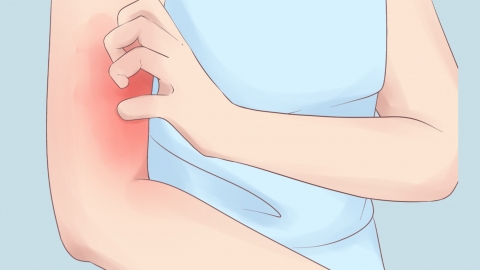
The more the skin is scratched, the itchier it becomes—this may be caused by dry skin, mental stress, allergies, urticaria, or neurodermatitis, among other conditions. Management strategies should be tailored according to the underlying cause. It is recommended to seek medical attention promptly and undergo treatment under a physician’s guidance. Excessive water loss from the skin, coupled with insufficient protective sebum, compromises the skin’s barrier function, thereby predisposing it to pruritus.
Intense itching that worsens with scratching may result from dry skin, psychological stress, allergies, urticaria, or neurodermatitis. Management strategies vary depending on the underlying cause. It is advisable to seek prompt medical evaluation and follow professional treatment guidance from a healthcare provider.
1. Dry Skin
Excessive water loss from the skin, coupled with insufficient sebum production, compromises the skin’s barrier function, leading to pruritus (itching). Scratching further damages this protective barrier, thereby intensifying itchiness. Use mild, moisturizing bath products and avoid harsh, overly cleansing soaps. Immediately after bathing, apply a body lotion containing hydrating ingredients to replenish skin moisture.
2. Psychological Stress
Excessive mental pressure, anxiety, or emotional agitation can affect the nervous system, increasing the sensitivity of cutaneous nerve endings and triggering pruritus. Scratching stimulates neural activity, further amplifying the sensation of itch. Stress-reduction techniques—such as deep breathing exercises and progressive muscle relaxation—are recommended to alleviate psychological tension.
3. Allergies
Exposure to allergens—such as pollen or house dust mites—can trigger an immune-mediated allergic reaction, resulting in skin itching. Scratching activates mast cells in the skin, exacerbating itch severity. Avoid known allergens whenever possible. Under medical supervision, antihistamines such as cetirizine hydrochloride tablets, loratadine tablets, or ephedrine-diphenhydramine tablets may be prescribed to relieve symptoms.
4. Urticaria
A common dermatologic condition characterized by localized edema due to transient dilation and increased permeability of small dermal and mucosal blood vessels. It may be triggered by various internal or external factors—including foods, medications, or infections. Release of inflammatory mediators (e.g., histamine) induces pruritus; scratching promotes additional wheal formation and intensifies itching. Treatment options—under physician guidance—include fexofenadine hydrochloride tablets, compound beclomethasone dipropionate and camphor cream, or Erfukang topical solution.
5. Neurodermatitis
This condition is primarily driven by neuro-psychological factors, such as emotional fluctuations or excessive tension. Scratching and friction readily aggravate the disease. Chronic scratching leads to lichenification (thickening and hardening) of the skin and progressively worsening pruritus. Topical corticosteroids—including dexamethasone ointment, halometasone cream, or triamcinolone acetonide-econazole cream—may be prescribed under medical supervision to manage symptoms.
In daily life, proper skin care—including maintaining cleanliness and hygiene and minimizing scratching—is essential for promoting skin health.



