How is oral thrush treated?
Aug 10, 2026
Source: Cainiu Health

Dr. Liu Chao
Introduction
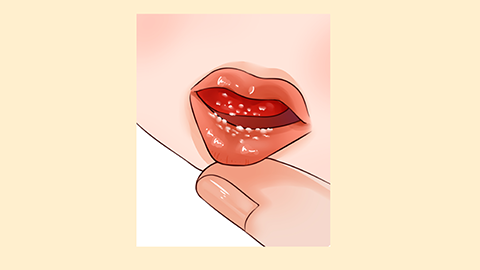
Treatment for oral thrush may include oral hygiene care, topical antifungal application, adjustment of feeding methods, enhancement of the body’s immune function, and systemic medication to scientifically suppress fungal proliferation in the mouth and gradually restore damaged oral mucosa. Prompt medical consultation is required if the lesions spread or if the child experiences difficulty eating.
1. Oral hygiene care: Maintain regular cleaning of the infant’s oral cavity, especially after breastfeeding or feeding.
Candidiasis (thrush) treatment may include oral hygiene care, topical antifungal application, adjustment of feeding practices, enhancement of the body’s immune function, and systemic medication—scientifically suppressing oral fungal proliferation and gradually repairing damaged oral mucosa. If the lesions spread or if the infant experiences difficulty feeding, prompt medical evaluation and treatment are essential.
1. Oral Hygiene Care: Maintain daily oral cleanliness in affected infants. Clean the mouth promptly after breastfeeding or feeding to remove residual milk or food debris, ensuring a dry and clean oral environment. Reducing conditions favorable for fungal growth allows mild cases of thrush to resolve gradually through consistent oral care alone.
2. Topical Antifungal Application: For white patches on the oral mucosa or minor lesions, apply an approved antifungal agent gently and directly onto the affected areas. This delivers targeted action at the site of infection, rapidly inhibiting local fungal activity, alleviating white plaques and mucosal discomfort, and promoting gradual healing of damaged mucosa.
3. Adjustment of Feeding Practices: Sterilize bottles, nipples, and utensils regularly by boiling to prevent cross-contamination. Maintain appropriate feeding frequency and avoid overfeeding, which can lead to indigestion and internal heat accumulation. Reducing oral moisture and warmth helps lower the risk of recurrent fungal overgrowth and subsequent thrush development.
4. Immune System Enhancement: Ensure balanced nutrition and adequate nutrient intake; maintain regular sleep-wake cycles to support overall physical health and strengthen natural resistance to infection. Improved constitutional resilience enables the body to better fend off fungal invasion, effectively reducing recurrence of thrush.
5. Systemic Medication Therapy: For severe, extensive, or recurrent cases of thrush, systemic antifungal therapy—under professional medical guidance—may be necessary to eradicate deep-seated fungal reservoirs, stabilize physiological status, and prevent frequent relapses that could exacerbate oral tissue damage.
Routinely disinfect personal items and feeding utensils; ensure good indoor ventilation and a dry living environment; dress appropriately to avoid excessive heat or internal “fire” (a traditional Chinese medicine concept referring to inflammatory or hypermetabolic states); consistently nurture overall health to sustain oral well-being and prevent thrush recurrence.