


How to Completely Treat Thrush
Aug 25, 2026
Source: Cainiu Health

Dr. Liu Wenmin
Introduction
Oral thrush can be thoroughly treated through daily hygiene practices, local physical cleaning, topical antifungal medications, oral antifungal drugs, and elimination of predisposing factors. This condition is caused by infection with *Candida albicans*, leading to white, curd-like plaques on the oral mucosa; it tends to recur. If symptoms such as difficulty eating, fever, or extensive mucosal ulceration occur, prompt medical evaluation and treatment at a hospital are essential.
Oral thrush (candidiasis) can be thoroughly treated through daily hygiene practices, local physical cleaning, topical antifungal medications, oral antifungal medications, and elimination of predisposing factors. This condition is caused by infection with *Candida albicans*, manifesting as white, curd-like plaques on the oral mucosa; it tends to recur. If symptoms such as difficulty eating, fever, or extensive mucosal ulceration occur, prompt medical evaluation and treatment at a hospital are essential.
1. Daily Hygiene Care: Daily hygiene forms the foundation for preventing recurrence. Thoroughly clean and disinfect all items that contact the mouth—e.g., utensils and pacifiers should be boiled regularly for sterilization. Use personal towels and drinking cups exclusively to avoid cross-contamination. Rinse or gently clean the mouth promptly after meals to reduce residual fungal habitat and interrupt cycles of reinfection.
2. Local Physical Cleaning: Local physical cleaning helps remove superficial white plaques from the oral mucosa. Gently wipe affected areas using sterile gauze moistened with warm water. Maintain a soft, gentle technique to avoid injuring the mucosa. Do not forcibly scrape off white patches, as this may cause mucosal bleeding and worsen local infection.
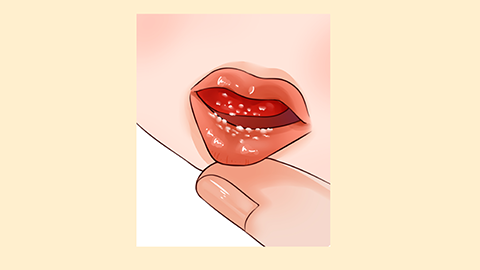
3. Topical Antifungal Medications: Topical antifungal agents constitute the primary treatment modality. Select appropriate formulations under professional guidance and apply them directly to affected oral mucosal lesions. These medications inhibit *Candida* proliferation and resolve oral white plaques. Even after symptom resolution, continue treatment for an additional period as prescribed to consolidate therapeutic effect and minimize recurrence risk—do not discontinue prematurely.
4. Oral Antifungal Medications: Oral antifungal therapy is generally reserved for severe cases or when topical treatments prove insufficient. Administer prescribed systemic antifungals strictly under professional supervision. These agents suppress fungal growth systemically and control disseminated candidal infection. Monitor for adverse reactions during treatment and complete the full course as directed—do not discontinue therapy without medical advice.
5. Elimination of Predisposing Factors: Addressing underlying triggers significantly reduces recurrence risk. Discontinue unnecessary broad-spectrum antibiotics and corticosteroids. Enhance immune function to improve the body’s resistance against fungal infection. For patients with diabetes, strict glycemic control is essential to limit conditions favorable for excessive fungal proliferation.
Maintain a clean oral environment by rinsing after meals, regularly disinfecting personal items, consuming a balanced diet to strengthen immunity, and adhering rigorously to the full prescribed treatment course—thereby reducing the likelihood of recurrent oral thrush.







