


Is Heart Disease Always Hereditary?
Aug 18, 2026
Source: Cainiu Health

Dr. Tian Hongbo
Introduction
Not all heart diseases are hereditary. Clinically, most heart diseases are triggered by acquired (postnatal) factors, while only a small number of specific types exhibit a genetic predisposition. Congenital (inherited) heart disease accounts for a limited proportion of cases; acquired cardiac conditions are not genetically linked. Frequent symptoms such as chest tightness and palpitations require prompt medical evaluation to diagnose and rule out underlying disease. Among the most common heart conditions encountered in daily life are coronary artery disease and heart failure.
Not all heart diseases are hereditary. Clinically, most cases of heart disease are triggered by acquired (postnatal) factors, with only a small subset of specific types exhibiting a genetic predisposition. Congenital hereditary heart disease accounts for a limited proportion of overall cases; acquired cardiac conditions are unrelated to genetics.
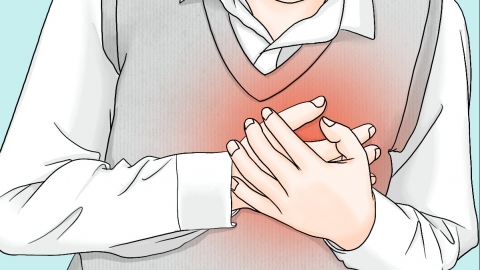
The most common cardiac conditions encountered in daily life—such as coronary artery disease and heart failure—are predominantly acquired disorders, typically resulting from long-term risk factors including hypertension, hyperlipidemia, and unhealthy lifestyle habits. These conditions lack a genetic basis and are not directly transmitted to offspring. Clinical management primarily involves pharmacological control of risk indicators and improvement of myocardial function, complemented by lifestyle modifications—effectively controlling disease progression and reducing the risk of future cardiovascular events.
A small number of cardiac disorders—including certain inherited cardiomyopathies and arrhythmias—are caused by genetic mutations and carry a familial inheritance risk. These diseases often present with subtle or nonspecific symptoms, making early detection challenging; however, family-based screening can help identify at-risk individuals before clinical onset. Once diagnosed with an inherited heart condition, lifelong regular follow-up is essential. Targeted medications should be used to preserve cardiac function, and when indicated, surgical or interventional procedures may be performed to prevent acute decompensation and reduce the likelihood of severe complications.
Maintaining a heart-healthy diet low in fat and salt, engaging in regular physical activity, ensuring adequate sleep, avoiding tobacco and alcohol, and managing psychological and physiological stress effectively lower the risk of developing acquired heart disease.






