


Is cardiovascular disease hereditary?
Sep 17, 2026
Source: Cainiu Health

Dr. Tian Hongbo
Introduction
Cardiovascular diseases exhibit a genetic predisposition but are not strictly hereditary. Most cardiovascular conditions result from the combined effects of genetic factors and lifestyle habits; individuals with a family history of such diseases face a higher risk of developing them. Early screening and lifestyle interventions can effectively reduce the risk of onset. Frequent chest tightness or palpitations warrant prompt medical evaluation.
Cardiovascular diseases exhibit a genetic predisposition but are not strictly hereditary conditions. Most cardiovascular disorders arise from the combined effects of genetic factors and lifestyle habits; individuals with a family history of such diseases face a higher risk of developing them. Early screening and lifestyle interventions can effectively reduce the likelihood of disease onset. Persistent symptoms such as chest tightness or palpitations warrant prompt medical evaluation.
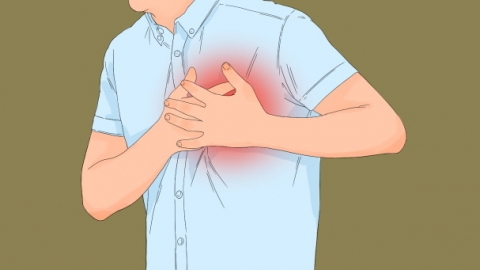
Common cardiovascular conditions—including hypertrophic cardiomyopathy, coronary artery disease, and hypertension—often demonstrate familial clustering. Having affected first-degree relatives increases one’s personal risk. A genetically inherited susceptibility, when compounded by unhealthy postnatal habits—such as poor diet, irregular sleep patterns, and physical inactivity—accelerates vascular damage and cardiac functional decline. Once diagnosed, cardiovascular disease can be managed through consistent medication use and lifestyle modifications to slow disease progression.
Genetic factors alone do not directly cause cardiovascular disease; environmental and behavioral factors play a substantial role. Even individuals without a family history may develop vascular injury or cardiac pathology if they maintain long-term unhealthy lifestyles. Regular cardiovascular screening—and early management of blood pressure, lipid levels, and blood glucose—can halt disease progression and safeguard cerebrovascular and cardiovascular health.
In daily life, adopting a low-fat, low-sodium diet; engaging in regular physical activity; maintaining consistent sleep–wake cycles; and avoiding tobacco and excessive alcohol consumption help preserve vascular elasticity and cardiac function over time—thereby reducing the risk of cardiovascular disease.






